American Art: Visual Language of the Road Trip
American art in the context of Route 66 follows a clear visual logic: reduction, vastness, and precise observation.
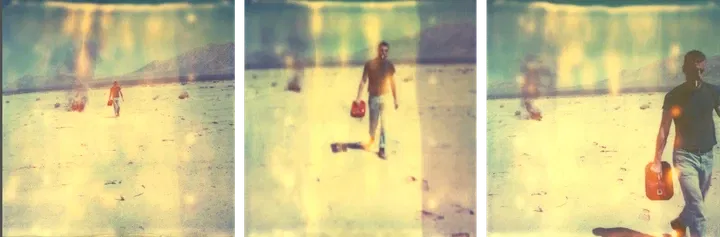
You encounter motifs such as endless highways, horizons in backlight, or isolated architectural structures along the road.
These photographs are not staged but captured in the right moment — often during the quiet hours of the day.
The result is imagery of high clarity that makes the American landscape visually tangible – embedded in a curated selection of
high-quality wall art.
Iconic Motifs: Landscape, Road, Architecture
Typical for American road trip art are recurring motifs: desert landscapes of the Southwest, striking rock formations,
gas stations, motels, and neon signs. These elements are more than scenery — they document infrastructure, time, and cultural identity.
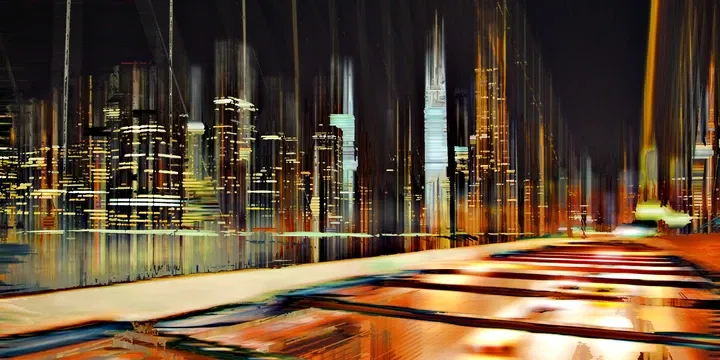
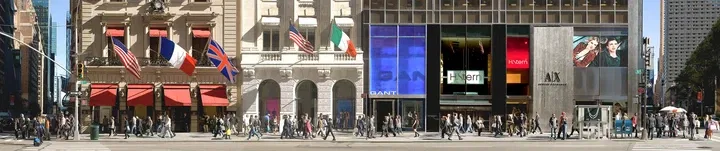
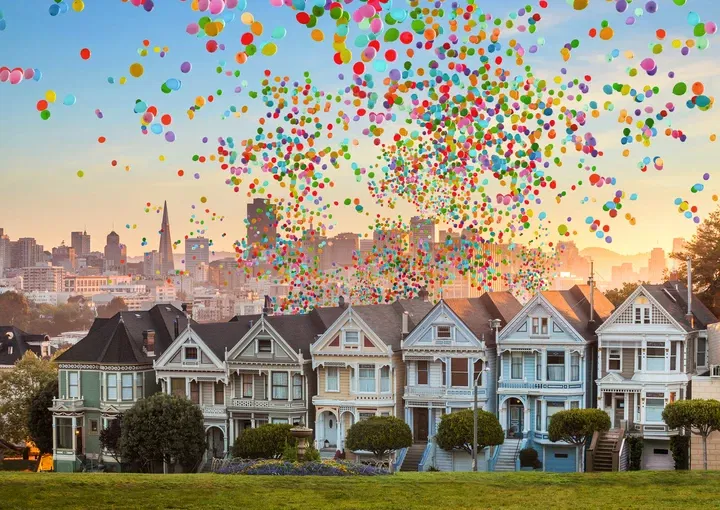
This perspective is complemented by urban scenes and transitional spaces, which you can also explore in the category
city photography.
Photographic Quality: Light and Composition
The impact is defined by photographic precision. Line composition, vanishing points, and light determine the structure.
Many works use natural light, reduced color saturation, or deliberate contrast to reveal form.
Especially black-and-white photography reduces imagery to form and tonal values, sharpening the focus on what truly matters.
Spatial Impact: Vastness as a Design Element
Road trip motifs create one dominant effect in interiors: spatial depth. Horizon lines and open compositions guide the eye
and visually expand rooms. Landscape formats with strong perspective work particularly well
above sofas or sideboards. Natural tones such as sand, asphalt, and faded colors integrate easily into existing interior concepts —
an approach reflected in many contemporary wall art pieces.
Understanding and Selecting American Art
When selecting American art, an analytical perspective is useful: What viewpoint is shown? How is space composed?
What role does light play? Works along Route 66 often follow documentary approaches and are rooted in the tradition of 20th-century American photography.
Technical and material differences become visible in the details of quality and execution.
For beginners, a focused approach is recommended: choose works that are consistent in motif and visual language. Recurring themes
such as road, emptiness, or architecture provide orientation and allow for systematic expansion.