


New
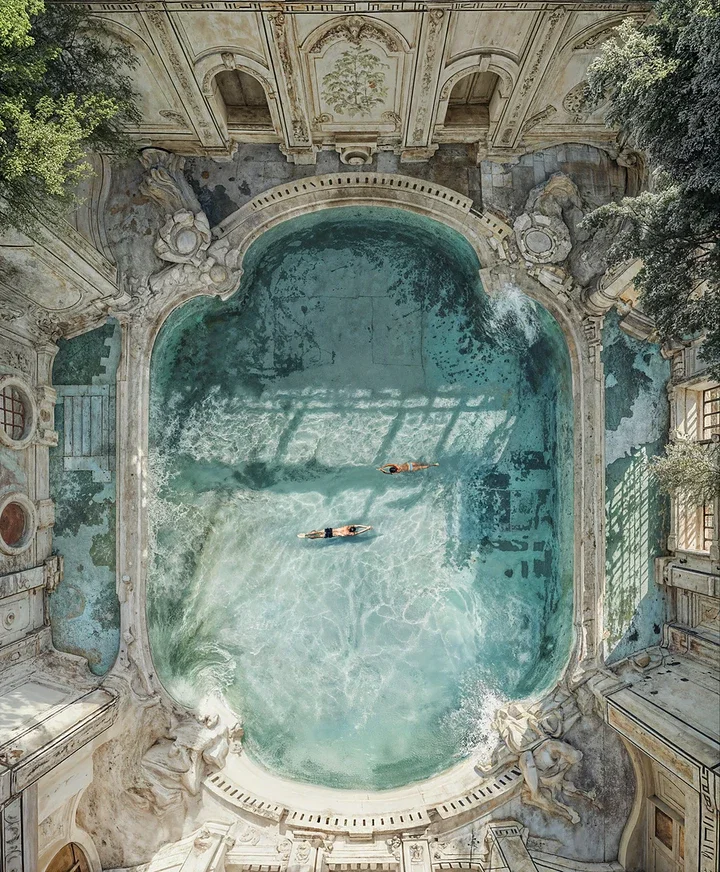
Unfortunately, this artwork cannot be added to the room view.


Meaning and stylistic characteristics of Baroque artworks
More than just artworks: the Baroque as a total work of art
Baroque artworks by LUMAS artists
Baroque timeline
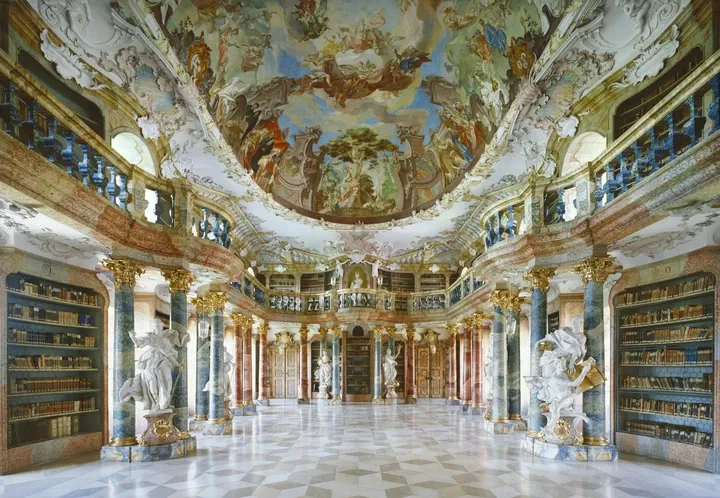
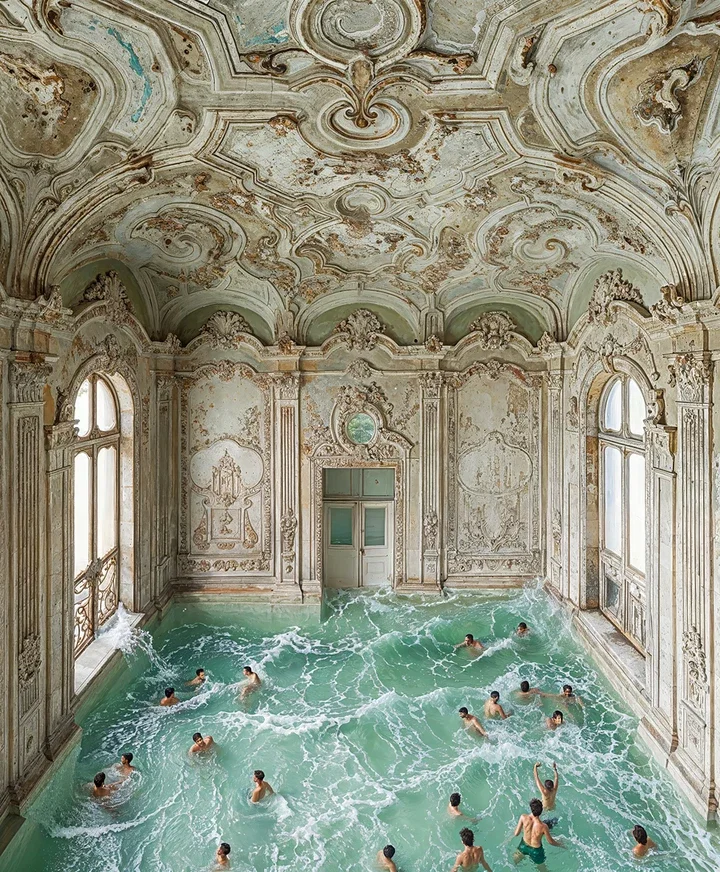
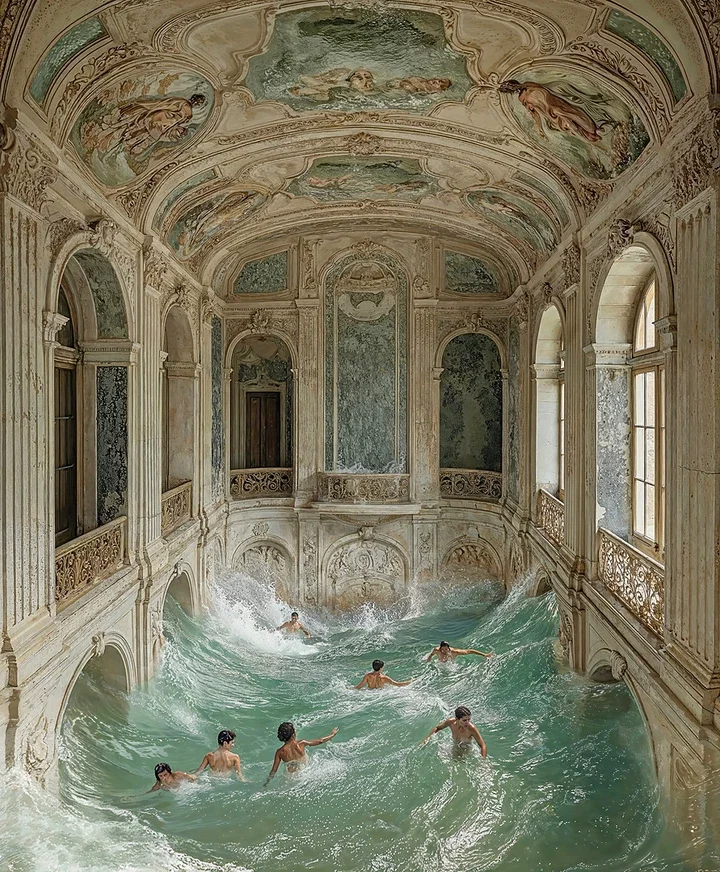
The unusual name Baroque comes from the Portuguese word for irregularly shaped pearls: barroco. This term, initially used mockingly for the opulent artistic, musical, and architectural movement, evokes strong associations. Dynamic, dramatic, pompous, or monumental are just some of the descriptions. In fact, a sense of vitality emerges that is characteristic of Baroque artworks.
The people depicted became individuals with emotions and imperfections. The world becomes a stage for biblical scenes, parables from Greek mythology, or absolutist rulers. The use of light and shadow is theatrical, gestures are grand and dynamic. This new form of representation spread from Italy throughout the rest of Europe. Famous painters of this period include: Annibale Carracci, Michelangelo Merisi da Caravaggio, Guido Reni, El Greco, Nicolas Poussin, Peter Paul Rubens, Jan Vermeer, Rembrandt van Rijn, and Diego Velázquez.
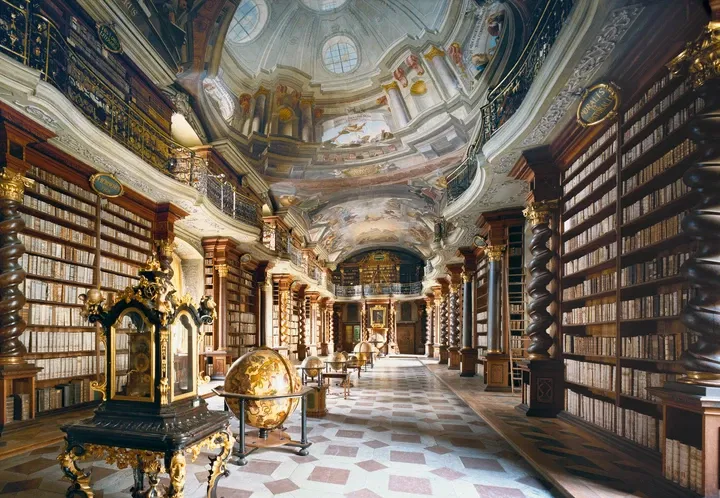
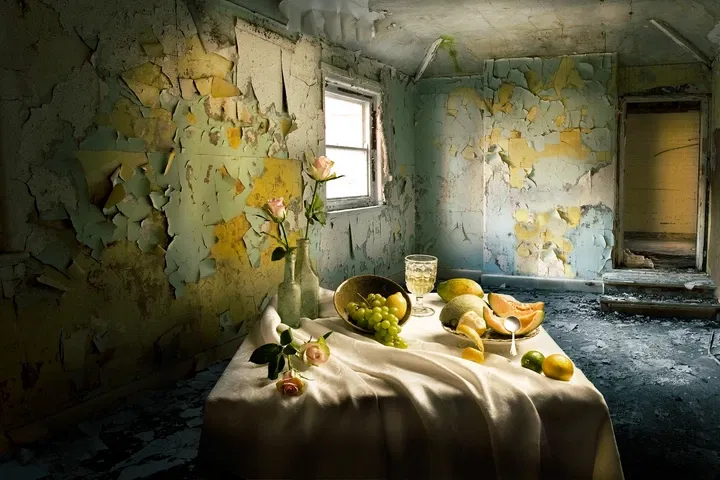
The era of the Counter-Reformation was a time full of tension. The missionary zeal of the Catholic Church following the Protestant Reformation of Martin Luther demanded magnificent buildings and the display of the glory of the Church. The influence of European princes and royal houses is reflected in splendid palaces and gardens such as those of Louis XIV and his royal court at Versailles. Bitter poverty among the population and the lavish wealth of the nobility stood in sharp contrast. Yet for the arts, the Baroque period was a golden age.
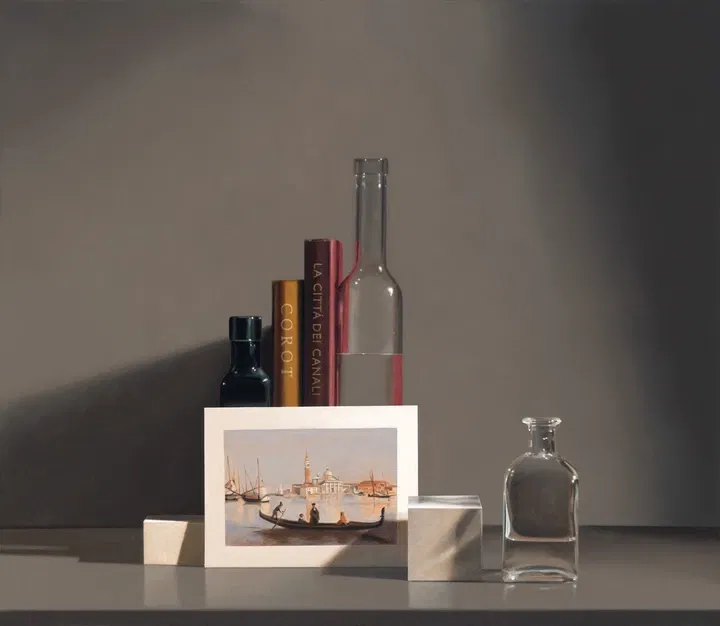
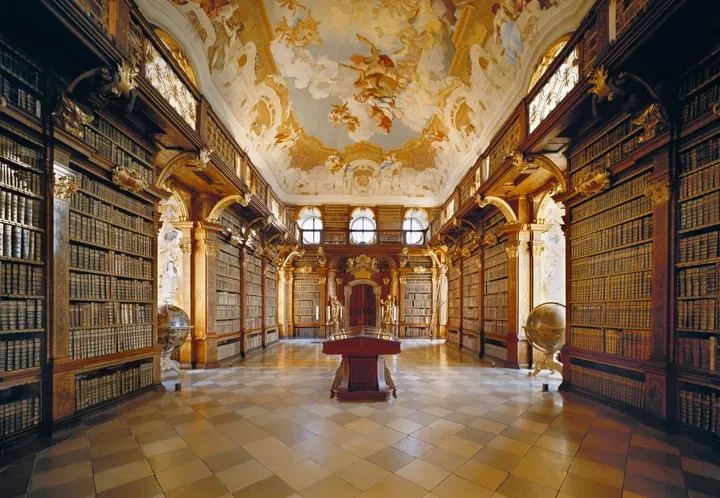
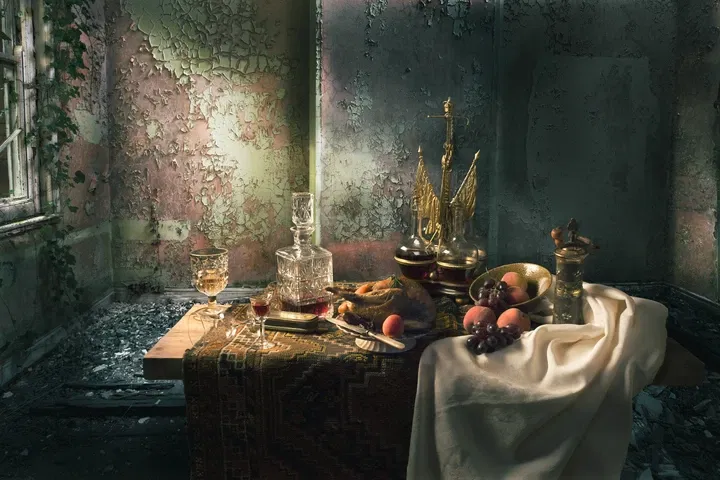
Discover the most important subjects of the Baroque through our LUMAS artists with contemporary and relevant interpretations, and find your favorite!
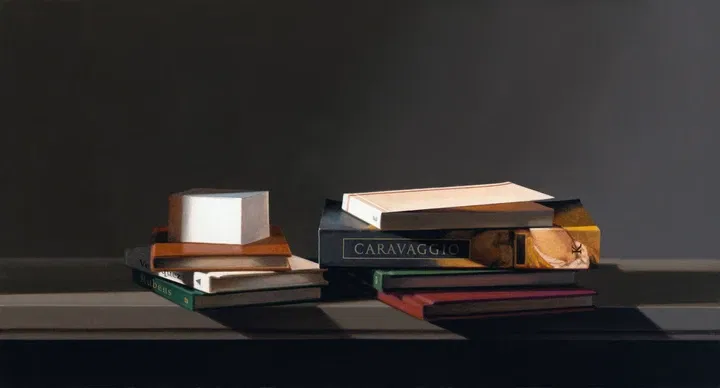
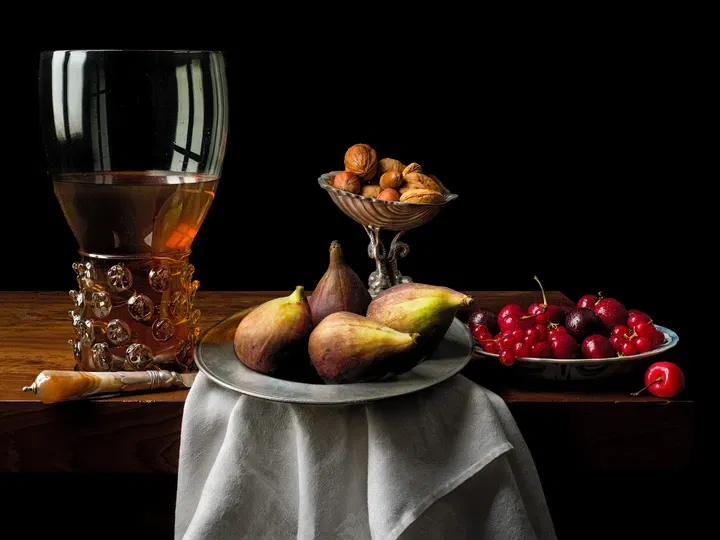
During the Baroque period, the genre of still life painting emerged. Depending on the motifs and depicted objects, these works became known as floral still lifes, kitchen still lifes, vanitas still lifes, and many others. All still lifes share the characteristic of depicting motionless objects or dead animals. Vanitas still lifes always carry a reminder of the transience of earthly existence. A skull may be depicted, or laurel and ivy, symbols of rebirth.
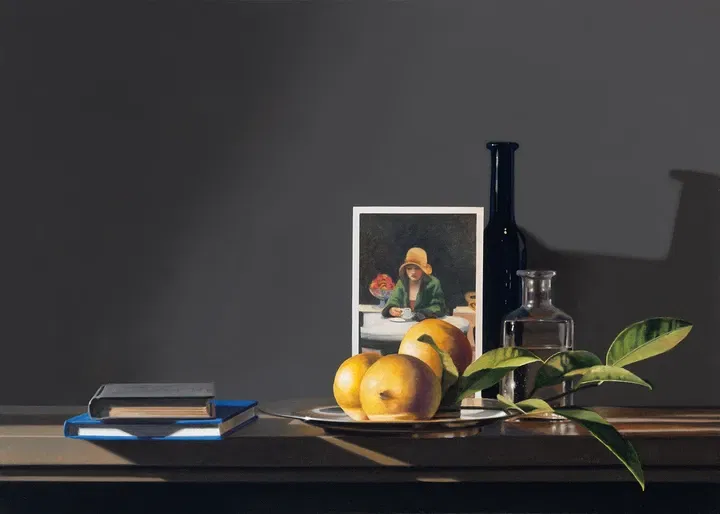
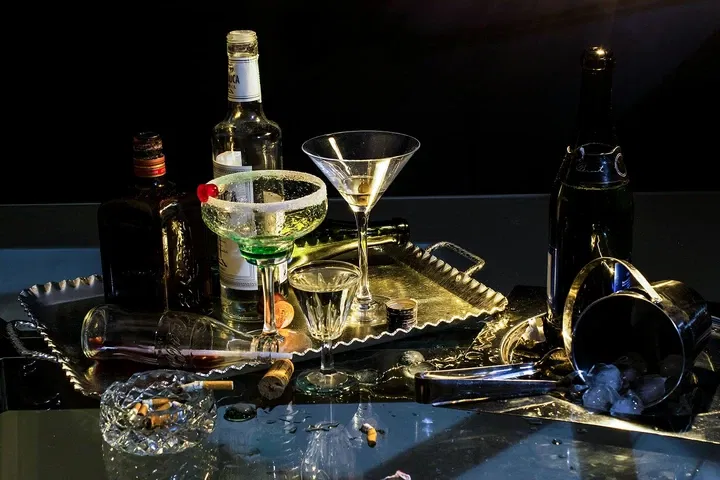
Kevin Best arranges traditional still lifes as photographs featuring fruits and glass goblets. He uses the visual language of vanitas still lifes: an extinguished candle points to transience. Guy Diehl, on the other hand, paints photorealistic still lifes with modern objects that reference great artists of contemporary and classical modern art. Dan Bannino humorously shows what modern icons place on their tables: pasta and wine, champagne and cigarettes. What makes still lifes at LUMAS special is that they are often photographic works. The delicate painterliness of the old masters is replaced by the precise eye of modern photographers!
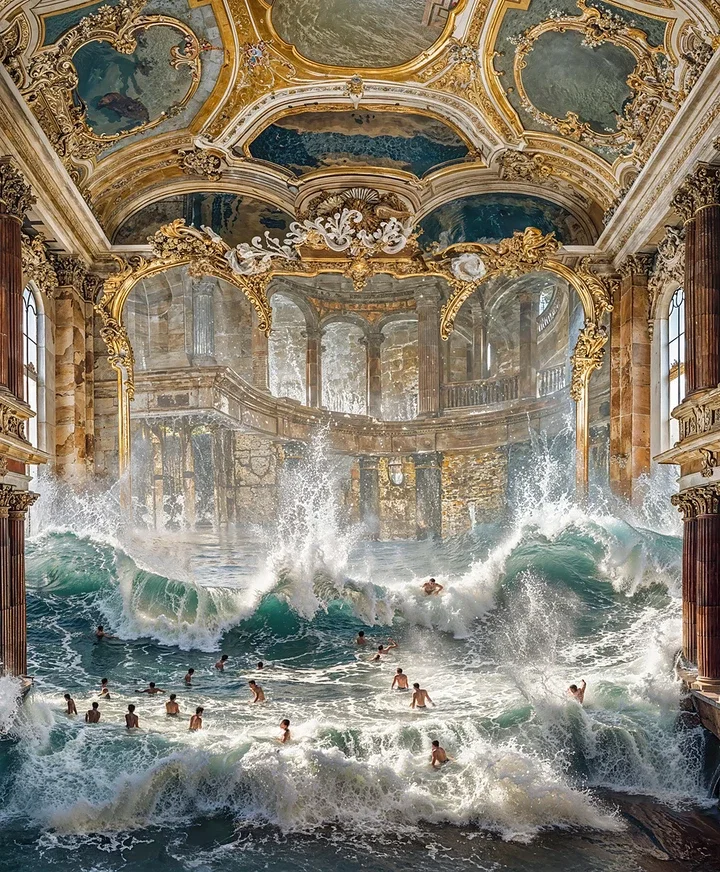
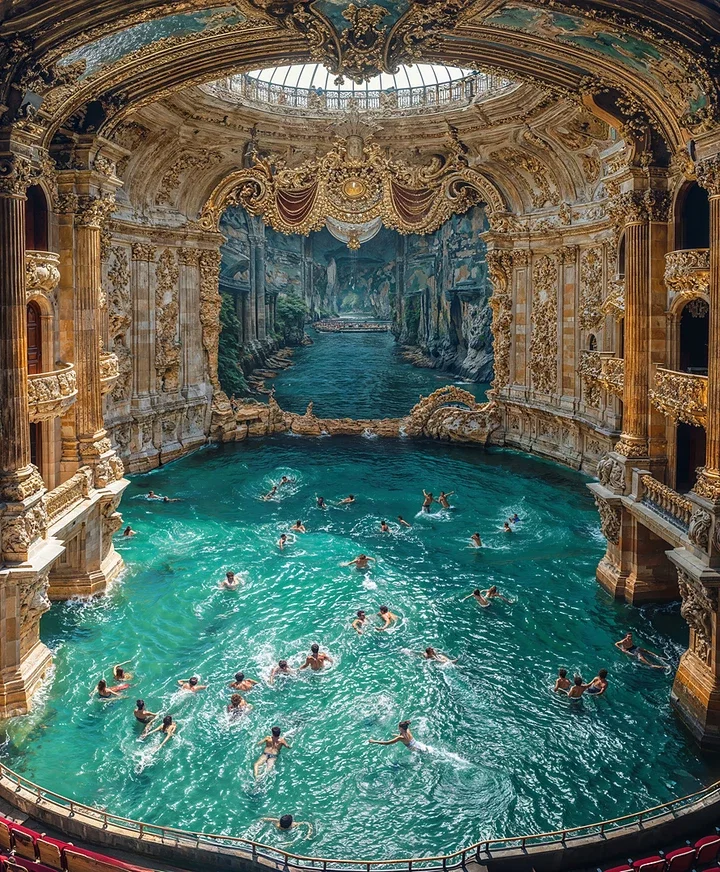
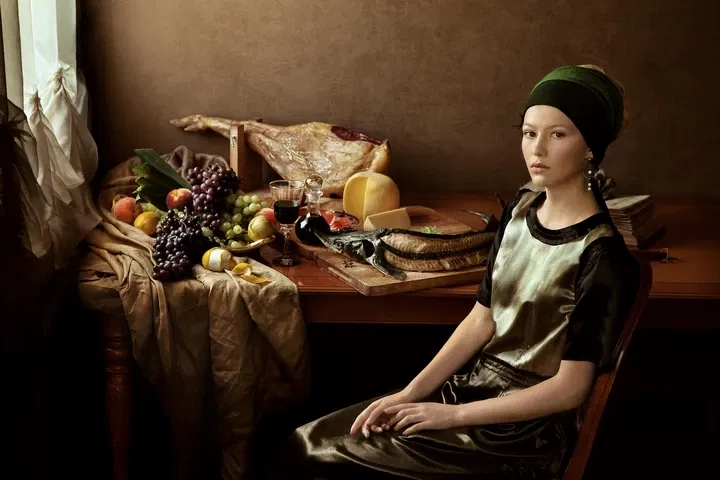
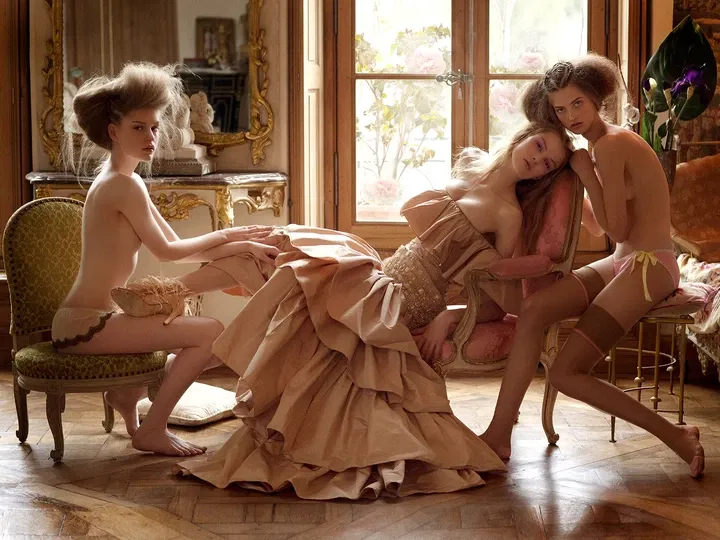
Genre painting usually depicts scenes of everyday life. The people portrayed often represent a people or social group rather than being understood as portraits. In the Baroque period, Jan Vermeer stands out as a master of staging interiors and street scenes. His compositions with light, shadow, and color are subtle allegories, whose full meaning can only be deciphered at second glance. In this Golden Age of Dutch painting with artists such as Peter Paul Rubens and Rembrandt van Rijn, the self-image and prosperity of the Dutch bourgeoisie are reflected in Baroque art. Taking up the tradition of genre painting, LUMAS artists such as Mark Seelen, Lynne Collins, Iris Brosch, and Andrey Yakovlev and Lili Aleeva stage a richness through photography that can only be described as baroque. One could almost forget that these are modern photographs.
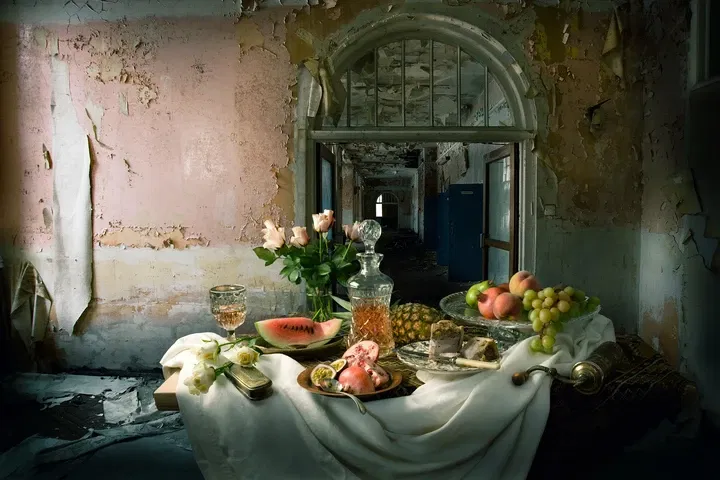
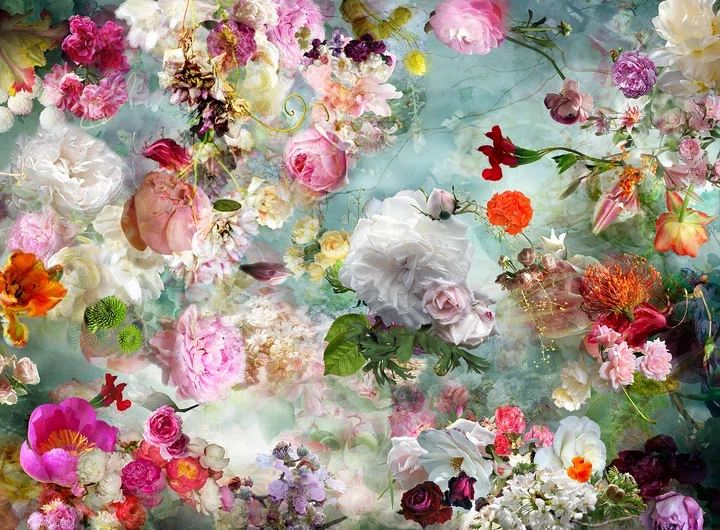
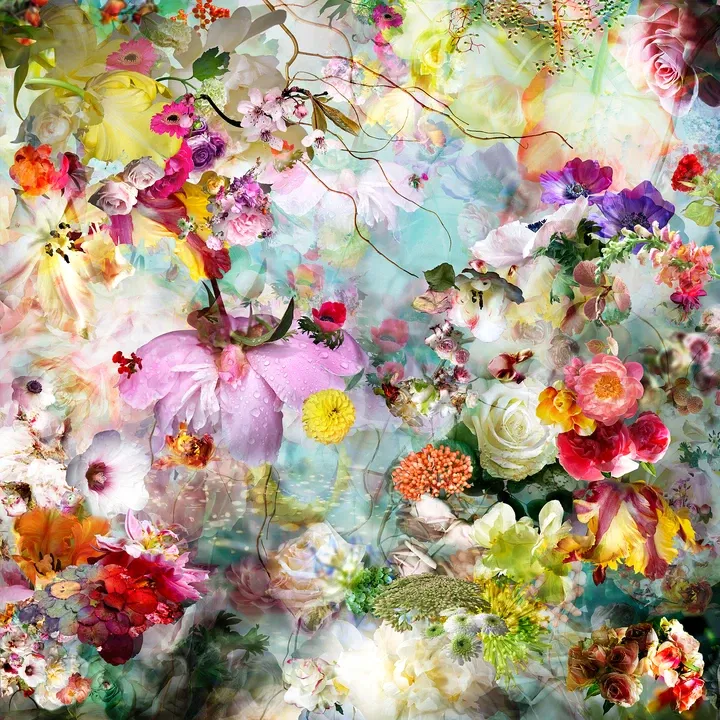
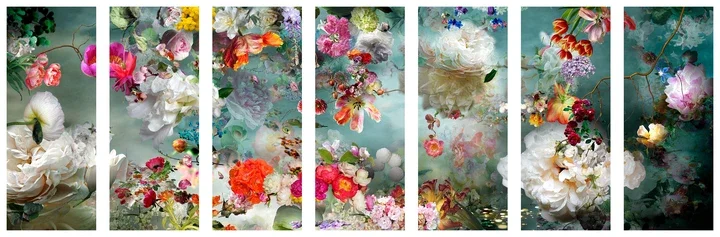
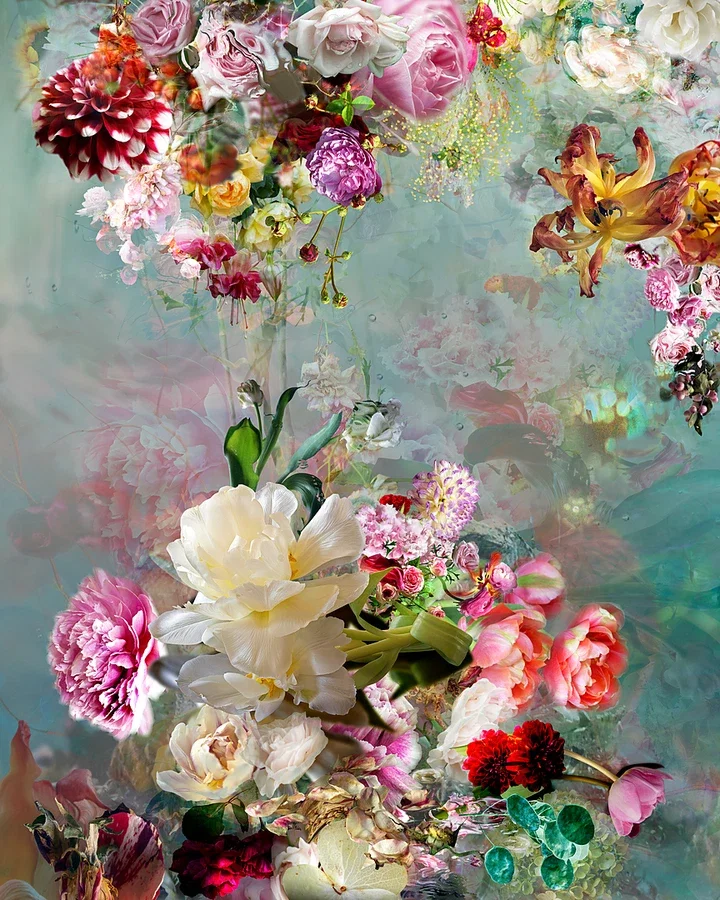
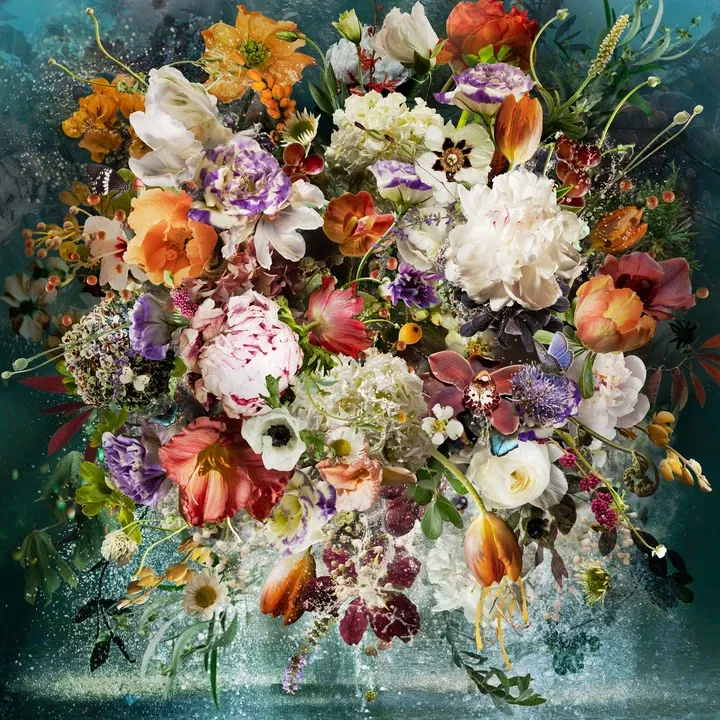
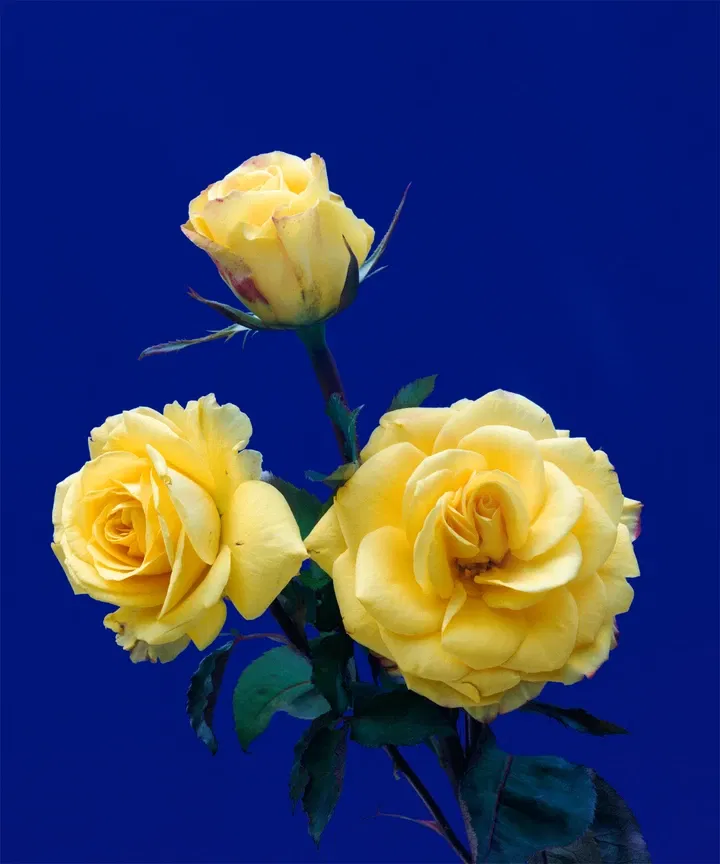
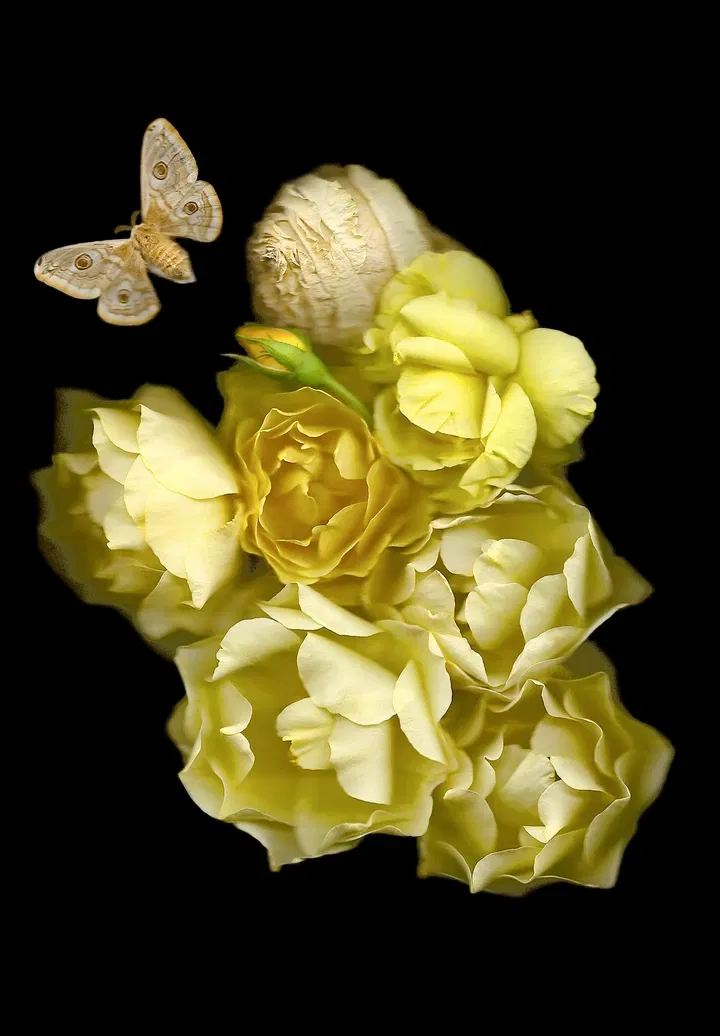
A distinct genre of still life painting is the floral still life. People have always been fascinated by the fleeting beauty of blooming plants and flowers. With technical innovations such as lenses and the camera obscura, nature could be observed much more precisely. Baroque artworks became increasingly realistic, and many painters were at the same time botanical illustrators or engaged in other studies of nature (such as the anatomy of the human body). The development of oil painting and the rise of canvas painting created the right conditions to paint deceptively realistic and impressive flower artworks. The influences of Baroque painters such as Rachel Ruysch and other Flemish masters can be directly felt in the works of Ysabel Lemay, Isabelle Menin, Kris Scholz, and Annet Van der Voort. Using the possibilities of digital image editing and photography, these female artists reinterpret this classical theme in a unique way for the 21st century.
| 1545-1563 | Council of Trent. Representatives of the Catholic Church discussed which reforms or countermeasures should be taken in response to the new Protestant Church. |
| 1568-1584 | Construction of the defining church Il Gesù, designed by Giacomo Barozzi da Vignola in Rome. It already features key Baroque stylistic elements: curved, concave and convex forms, domes, groups of columns, and ornamental decoration. |
| 1618-1648 | The Thirty Years’ War devastates and depopulates entire regions of Europe. As a result, literature and art address themes of transience, death, and at the same time a joy for life. |
| 1626 | Major completion of St. Peter’s Basilica in Rome, the largest papal basilica. It remains one of the most visited landmarks in Europe to this day. |
| 1642 | Rembrandt van Rijn completes his major work The Night Watch. It remains one of the most famous paintings in the world. |
| 13.04.1655 | The motto of absolutism “L’État, c’est moi” is said to have been proclaimed by the Sun King Louis XIV before parliament. The arts, architecture, and governance were entirely dedicated to the magnificent ruler. |
| 1656 | The famous painting Las Meninas by the Spanish court painter Diego Velázquez is created. The complex depiction of the royal family, with its many layers of meaning, remains a mystery and is considered one of the greatest paintings of all time. |
| 1658–1660 | Creation of Jan Vermeer’s The Milkmaid. |
| 1682 | The court of Louis XIV moves to Versailles, regarded as the embodiment of representational architecture. |
| 1686 | Jan Vermeer’s The Milkmaid is created. |
| c. 1720-1790 | Art and architecture become lighter and more playful. Painting themes become more cheerful and colors shift toward pastel tones. The Rococo, originating in France, introduces new accents across Europe with its sometimes asymmetrical ornamentation. |
