New

Unfortunately, this artwork cannot be added to the room view.


Axel Crieger composes memories of scenes that never happened.From photographs, drawings, and digital montage, he creates visual worlds of astonishing naturalness: familiar faces appear in… Read more
Bio

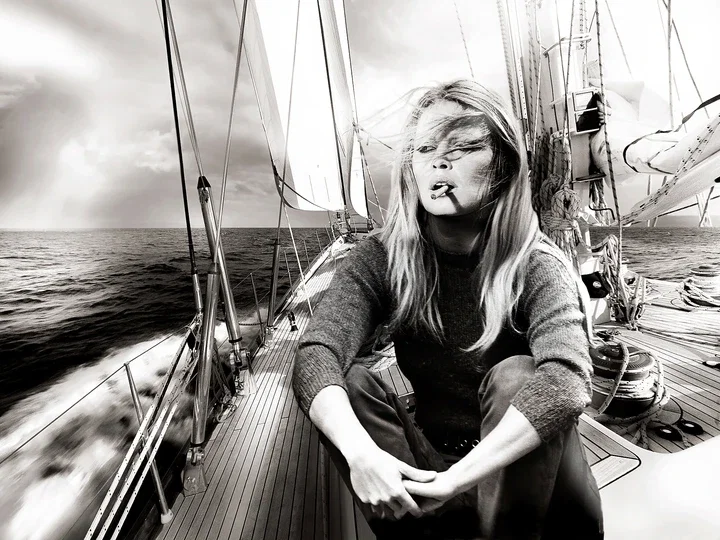
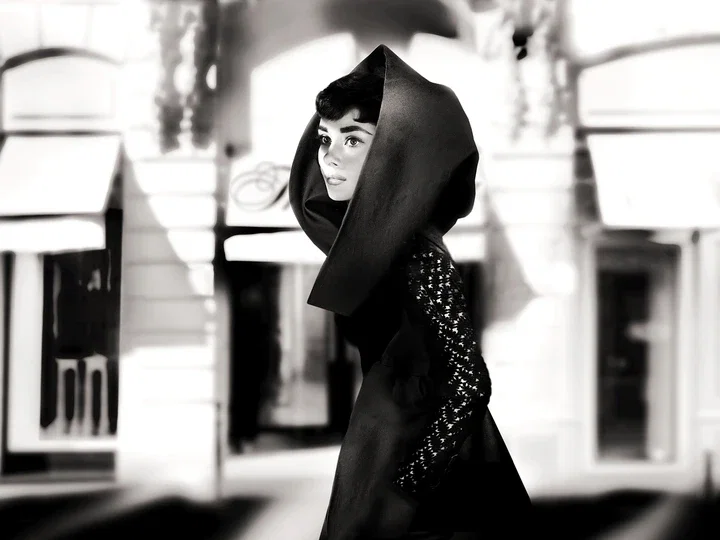

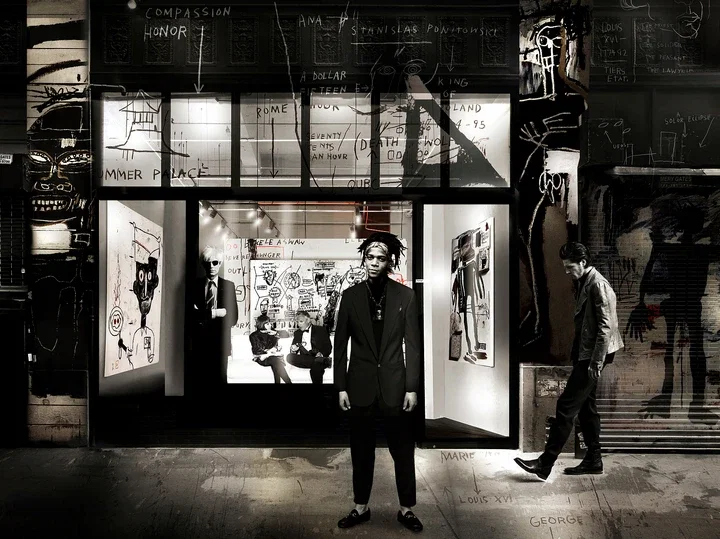
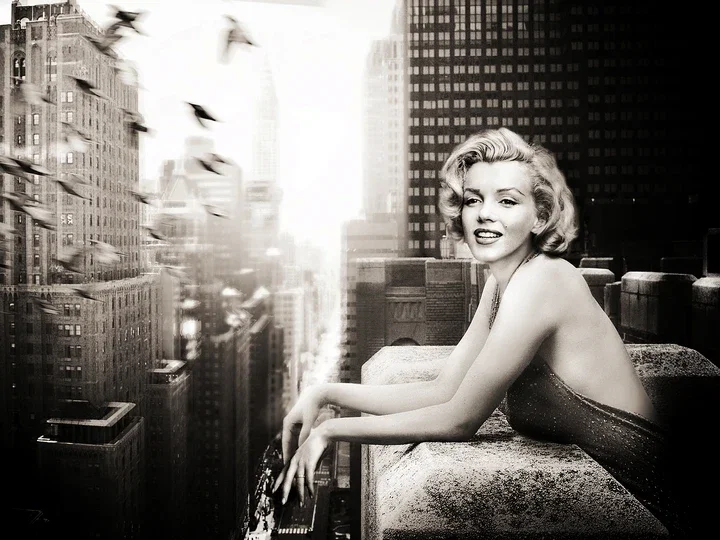
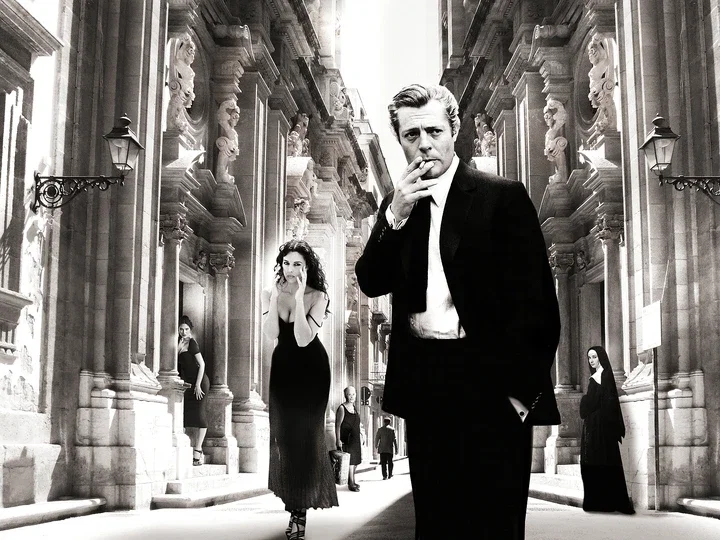
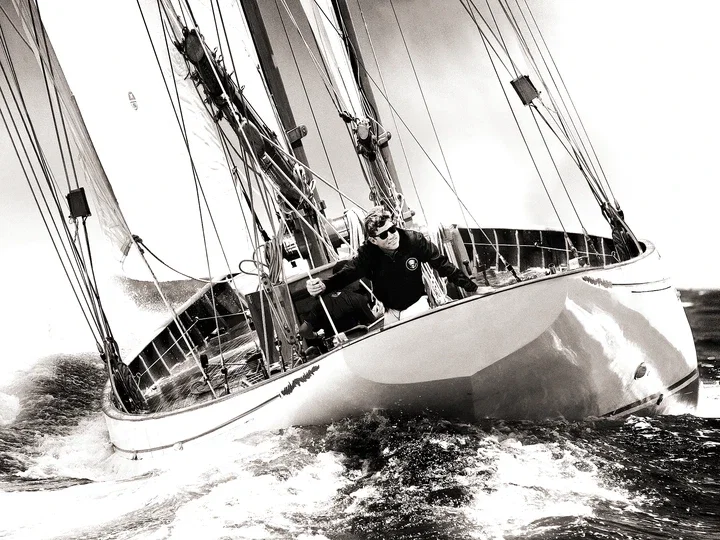
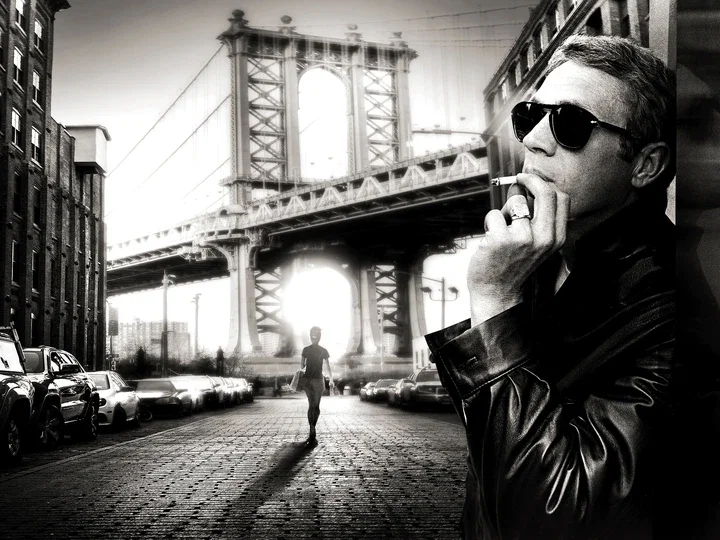
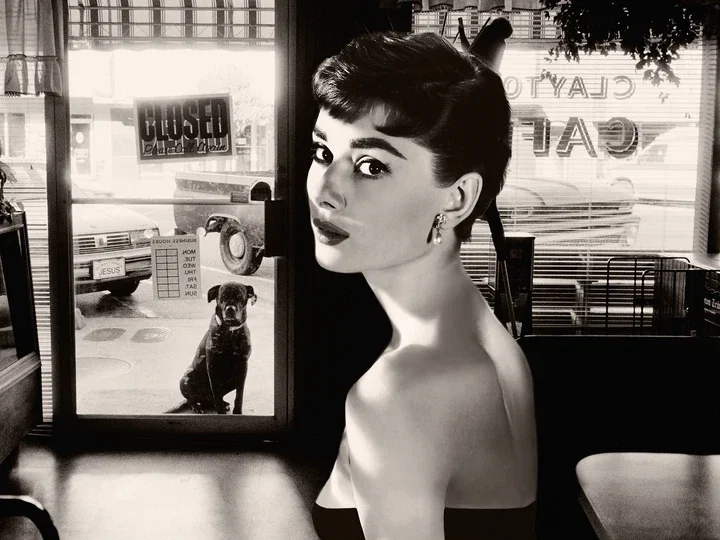


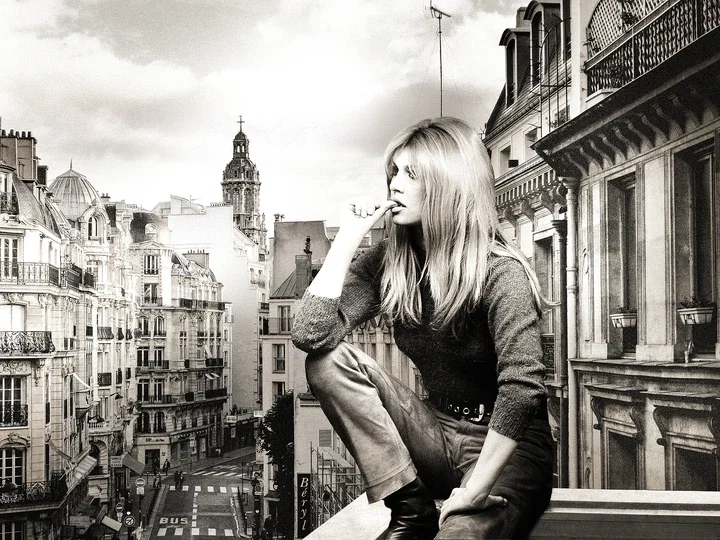
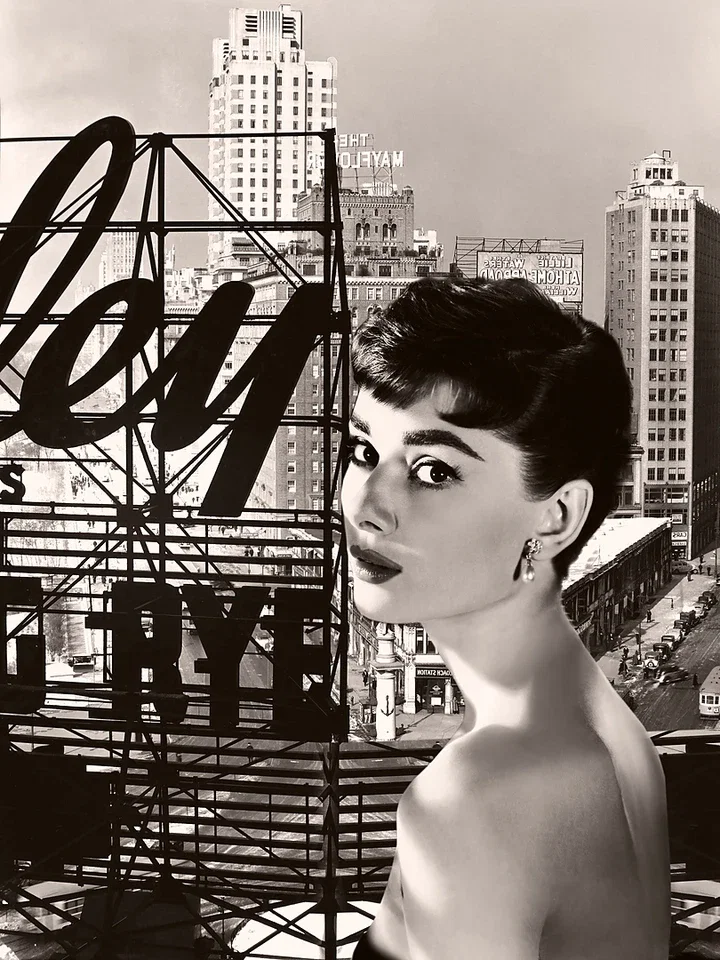
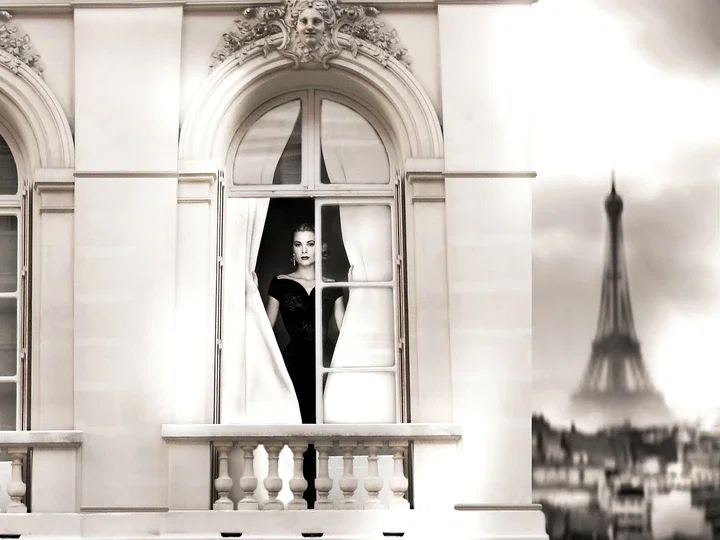
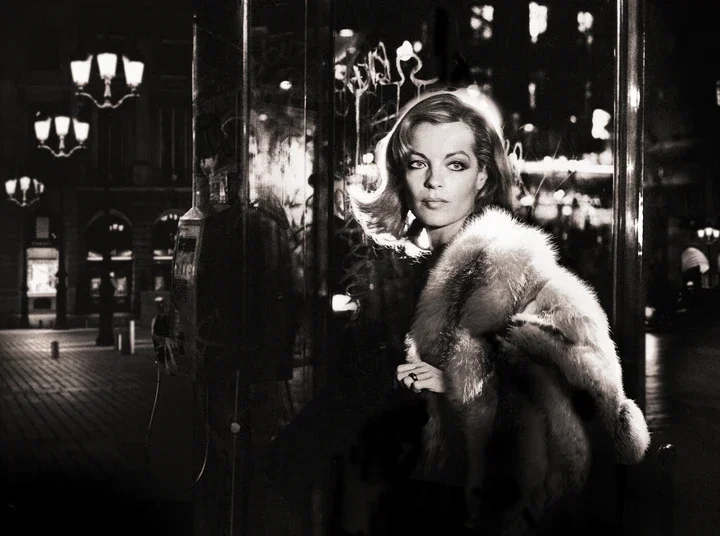
Axel Crieger composes memories of scenes that never happened.
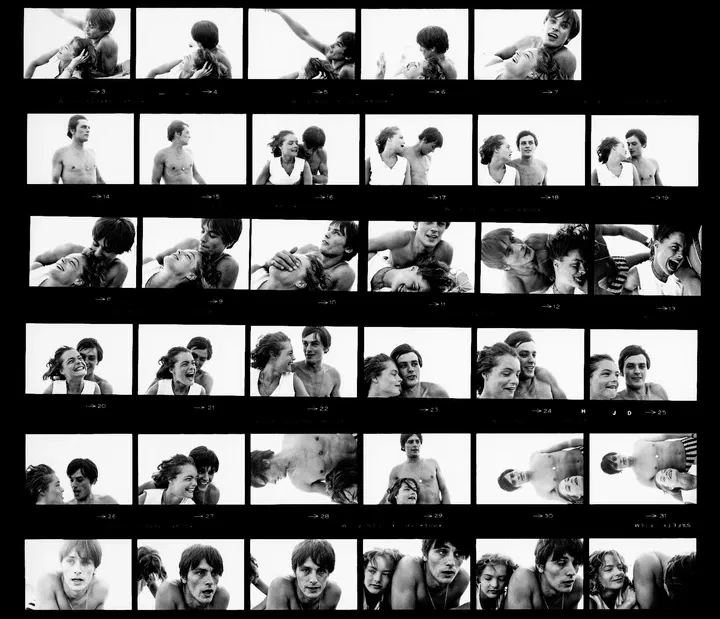
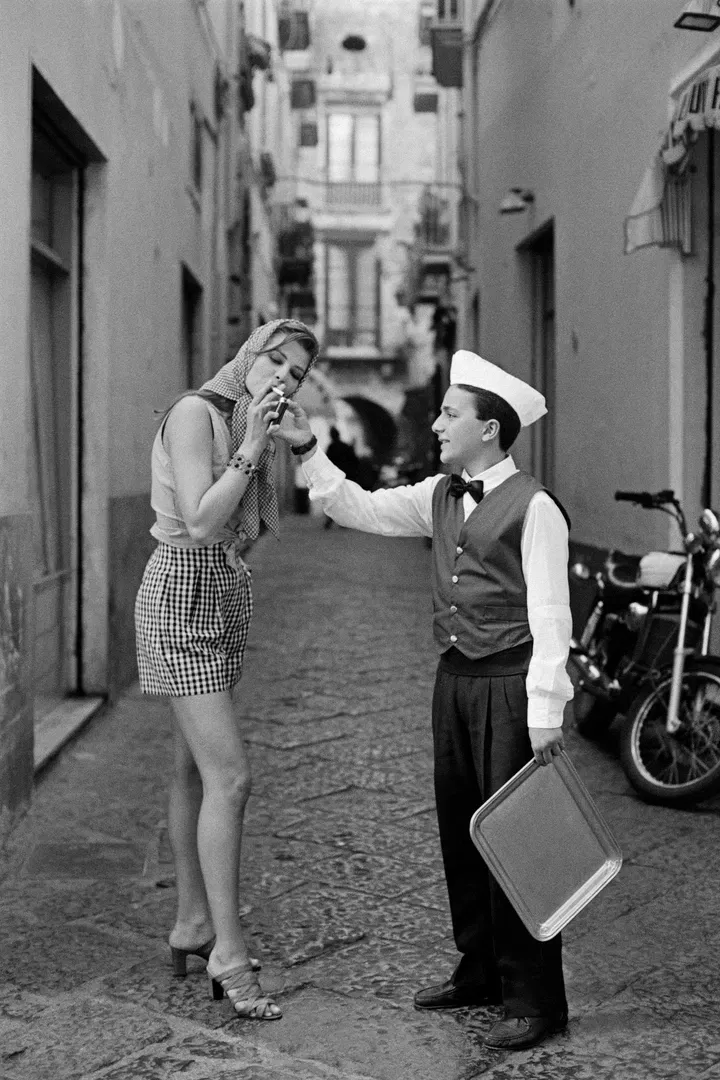
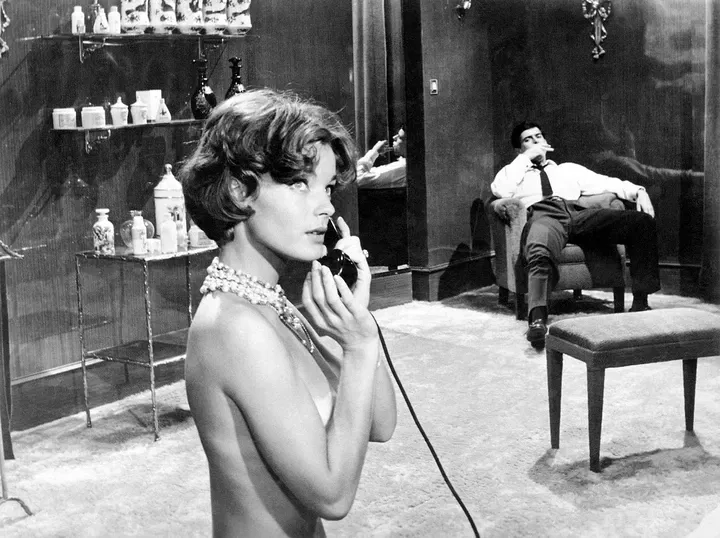
From photographs, drawings, and digital montage, he creates visual worlds of astonishing naturalness: familiar faces appear in constellations that feel entirely believable, even though Crieger has created them himself. A street becomes a film set, a casual encounter turns into a key scene, and a long-familiar motif becomes the starting point for a new story. The particular magnetism of his art lies in this suspended state between recognition and invention.
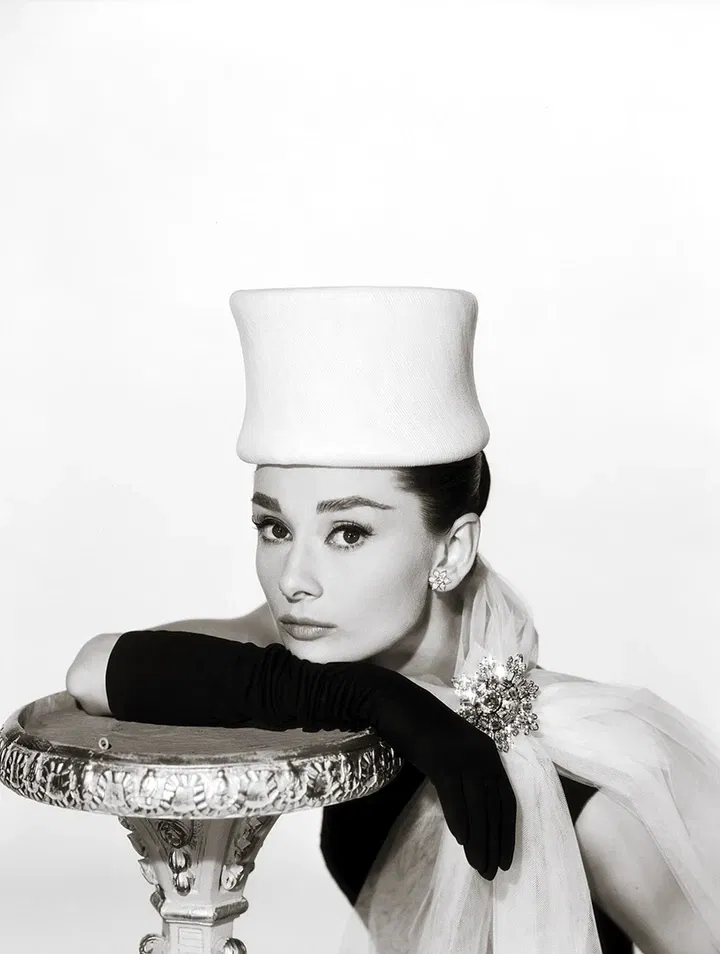
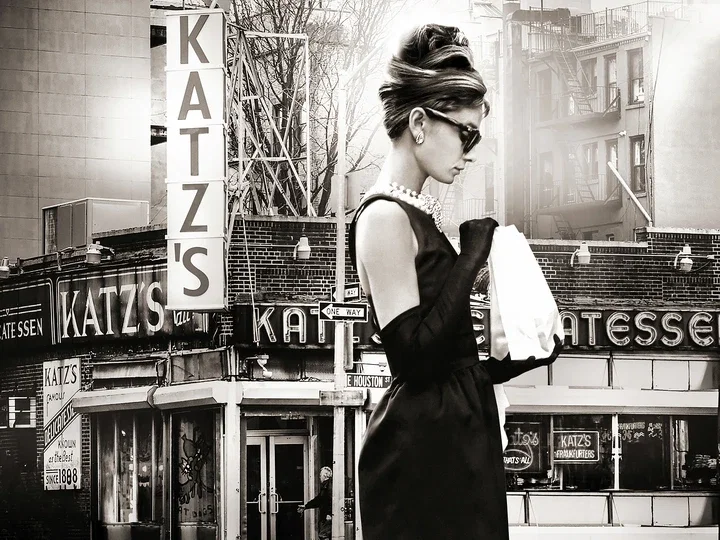
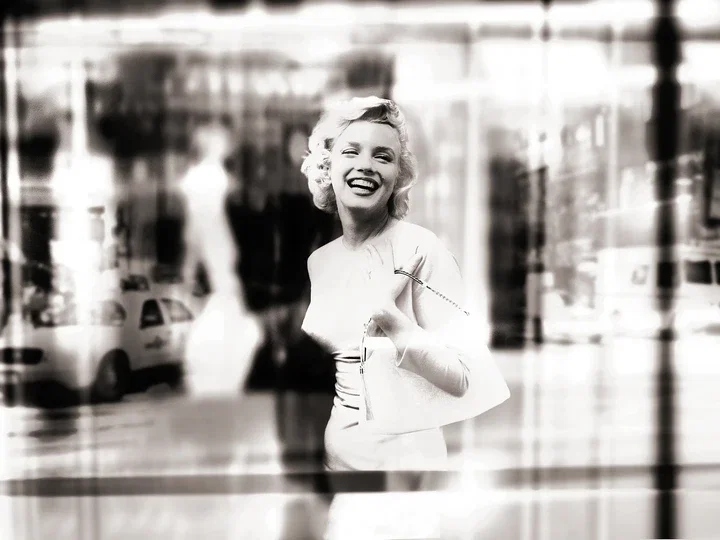
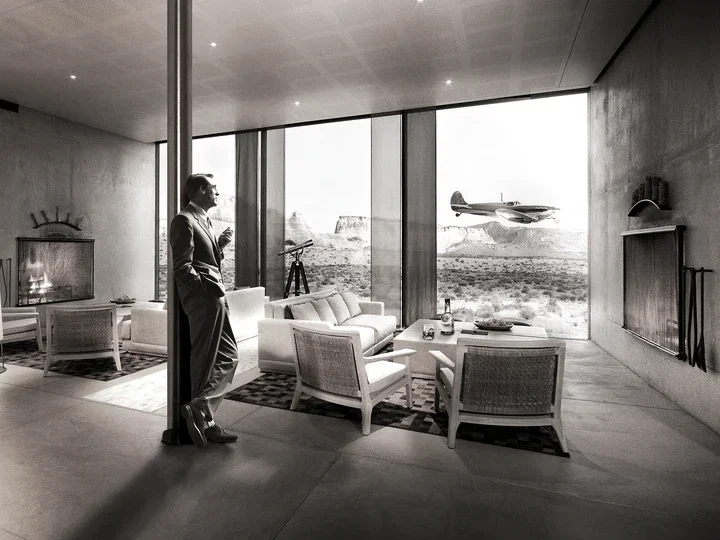
His most powerful material is our collective visual memory. Marilyn Monroe, Audrey Hepburn, Cary Grant, or Jean-Michel Basquiat already carry entire stories with them before they enter his compositions. Crieger gives them new roles and contexts, sometimes with subtle wit, sometimes with a trace of melancholy. Audrey Hepburn, for example, has breakfast at Katz’s Delicatessen in New York instead of Tiffany’s — a slight shift that immediately gives rise to a new narrative. It is precisely the pleasure of questioning what appears to be fixed and final that gives his works their vitality.
Crieger has known the codes of pop culture for decades and possesses the freedom to recombine them. Icons become mobile again, and familiar relationships open up to alternative possibilities. Digital technique remains discreetly in the background: the more complex the montage, the more natural the finished moment appears. Only on closer inspection does it become clear how many different periods, found elements, and visual layers are interwoven.
This sense of ease is founded on immense compositional precision. Decades spent as a photographer, designer, and art director have sharpened Crieger’s eye for perspective, light, and visual dramaturgy. In his independent artistic work, this experience serves a different kind of effect: every detail is precisely placed, while the narrative remains open. The composition provides an impulse; the imagination carries it forward.
It is therefore telling that Entertainment Weekly described his aesthetic as a “Grammar of Glamour” — a phrase that captures more than its elegant surface. Crieger understands the language of glamour: the codes of cinema and celebrity culture, luxury and fashion, sophisticated interiors and grand appearances. From this familiar vocabulary, he creates constellations of his own. Beneath the sheen lie humour, longing, and at times a darker undertone — small moments of disquiet that lend tension to the perfect staging.
Places, too, possess narrative power in Crieger’s work. In works such as Central Park, Madison Avenue, Brooklyn, or Katz Deli, New York shapes atmosphere, pace, and cultural memory all at once. The LUMAS selection, spanning works from Fragility Adored of 2012 to Newman’s Run, created in 2026, demonstrates how consistently this perspective runs through his oeuvre. Settings, figures, and techniques change; the curiosity about what the next possible chapter might hold remains.
Even after more than five decades within the international visual landscape, Crieger’s art remains remarkably free of heaviness. His experience no longer needs to prove itself — it is evident in the ease with which he brings together cultural icons, cinematic memories, and ideas of his own. One can follow his references, lose oneself in the details, or simply surrender to the atmosphere. His works remain in the memory like memorable film scenes in which, at some point, it becomes almost impossible to distinguish between what one has seen, remembered, or long since continued telling oneself.