New
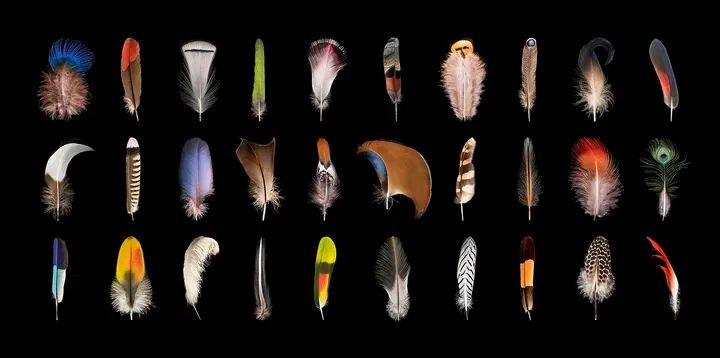
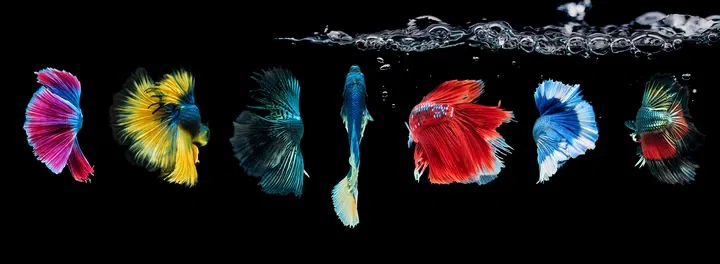
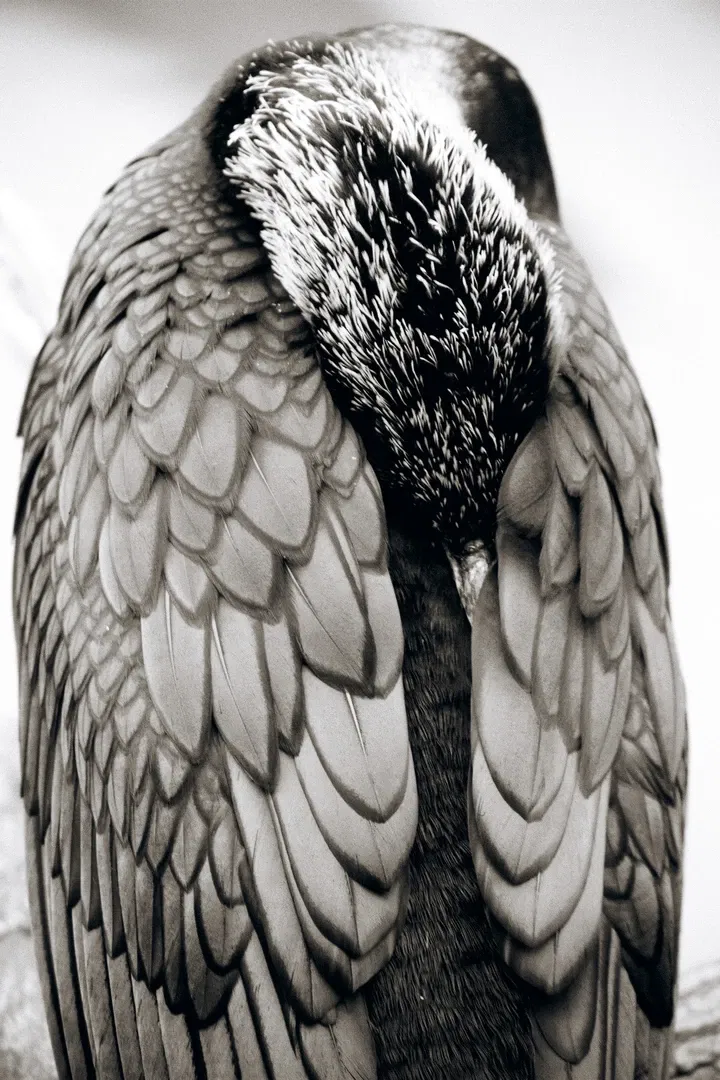
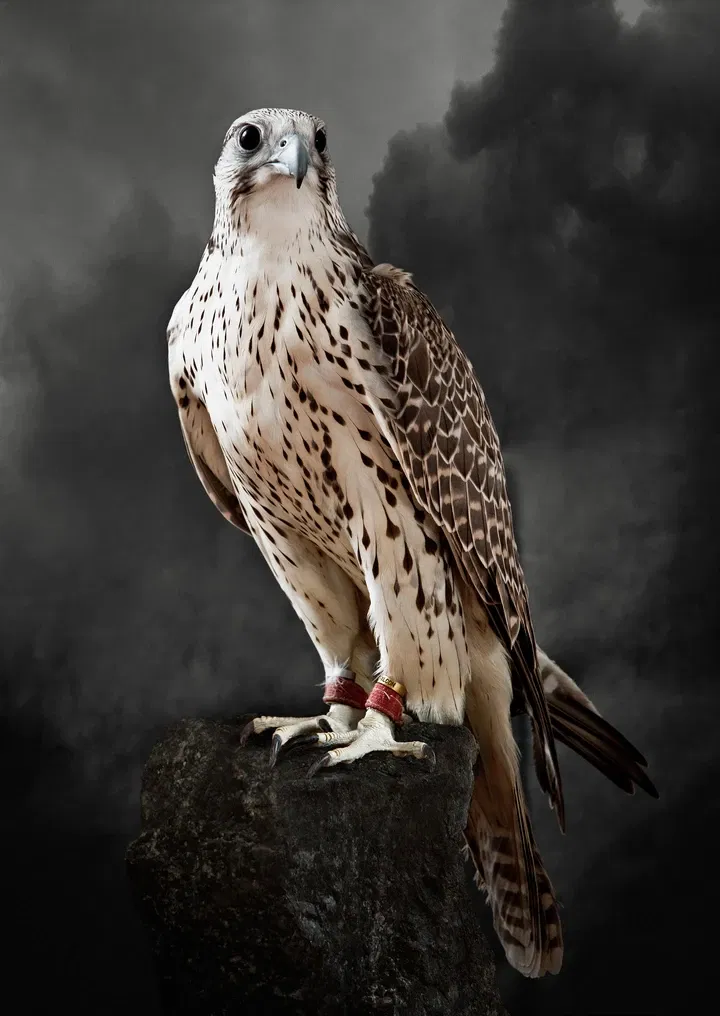
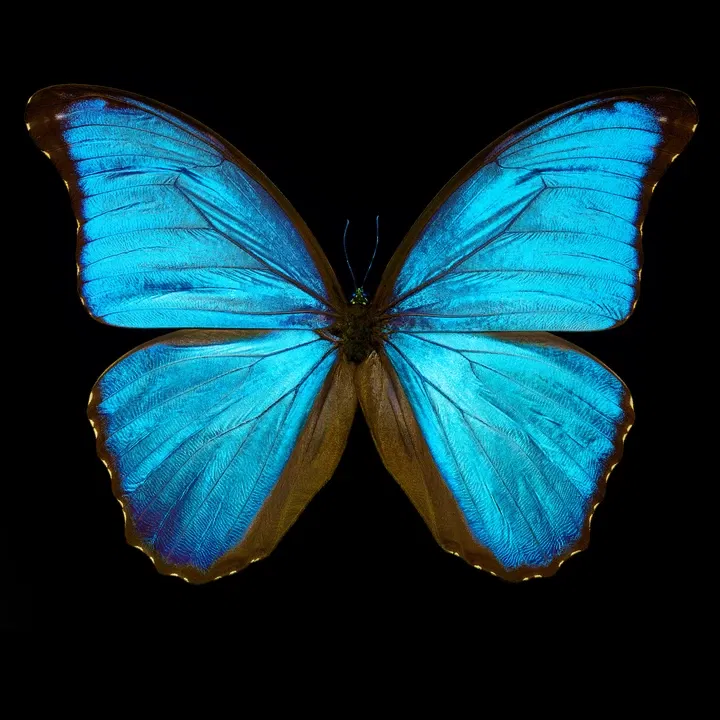
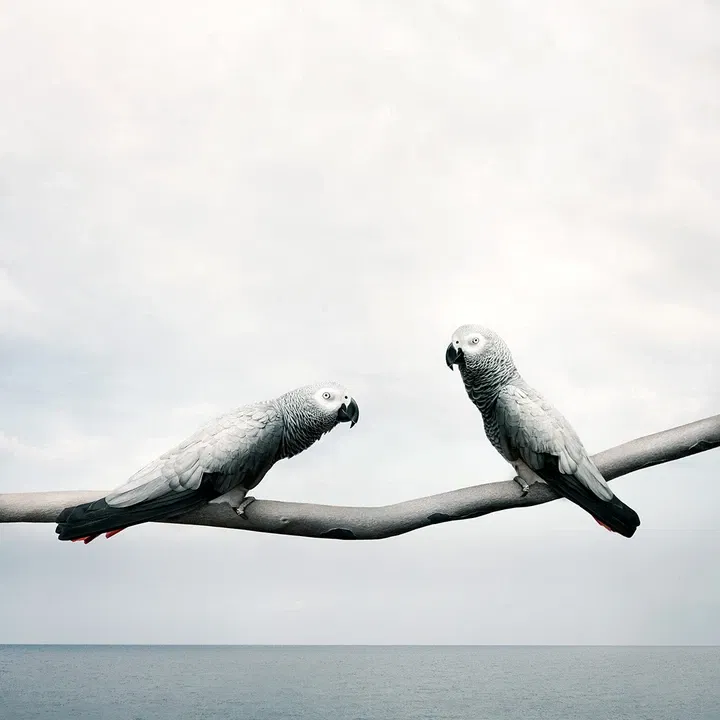
Feather Collection I
from £ 699
3 sizes available
Unfortunately, this artwork cannot be added to the room view.


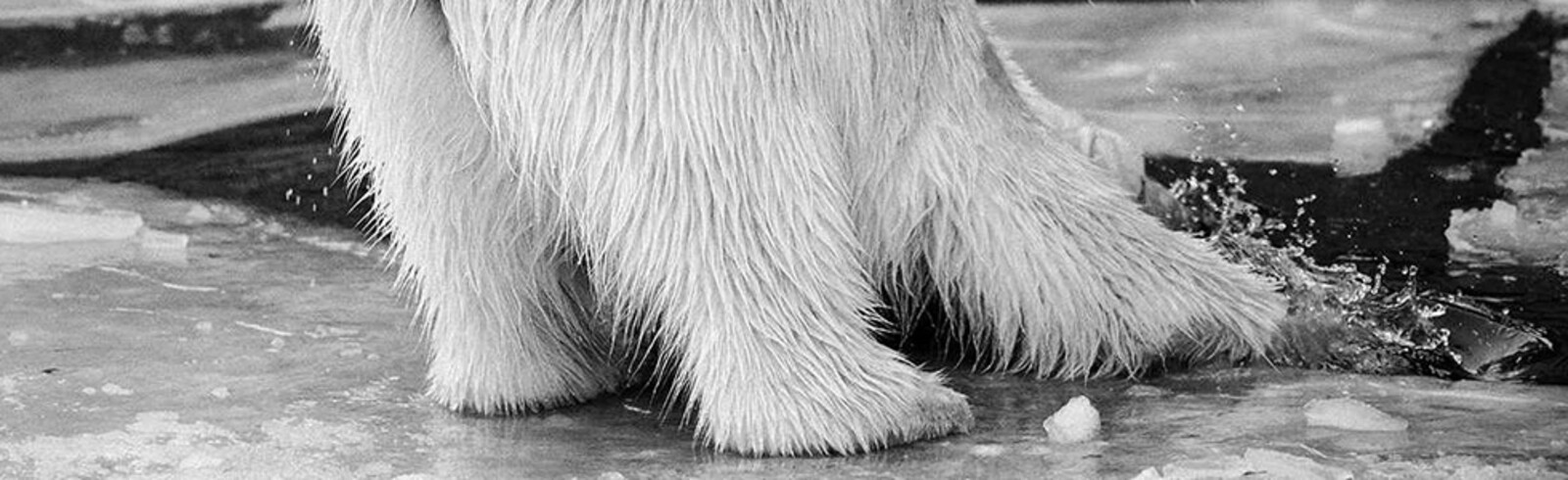

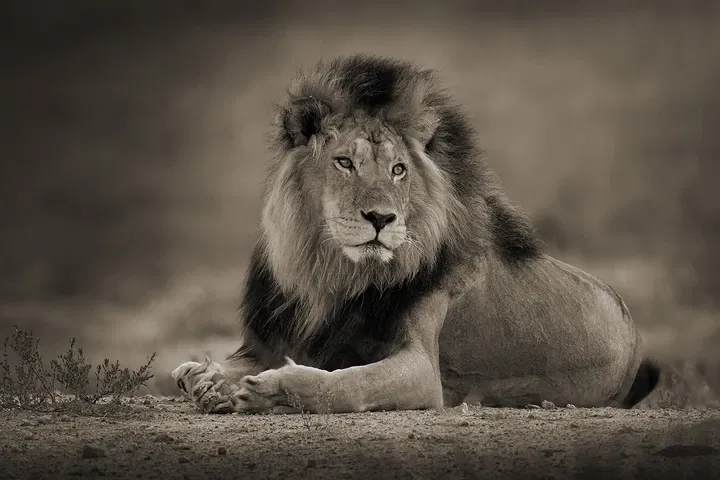
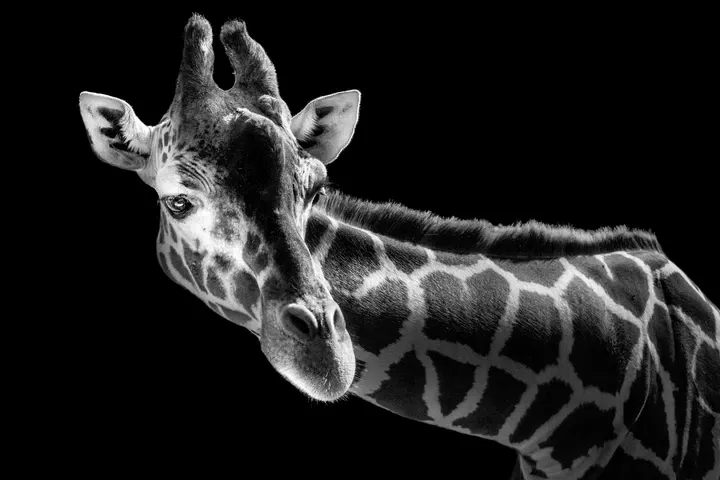
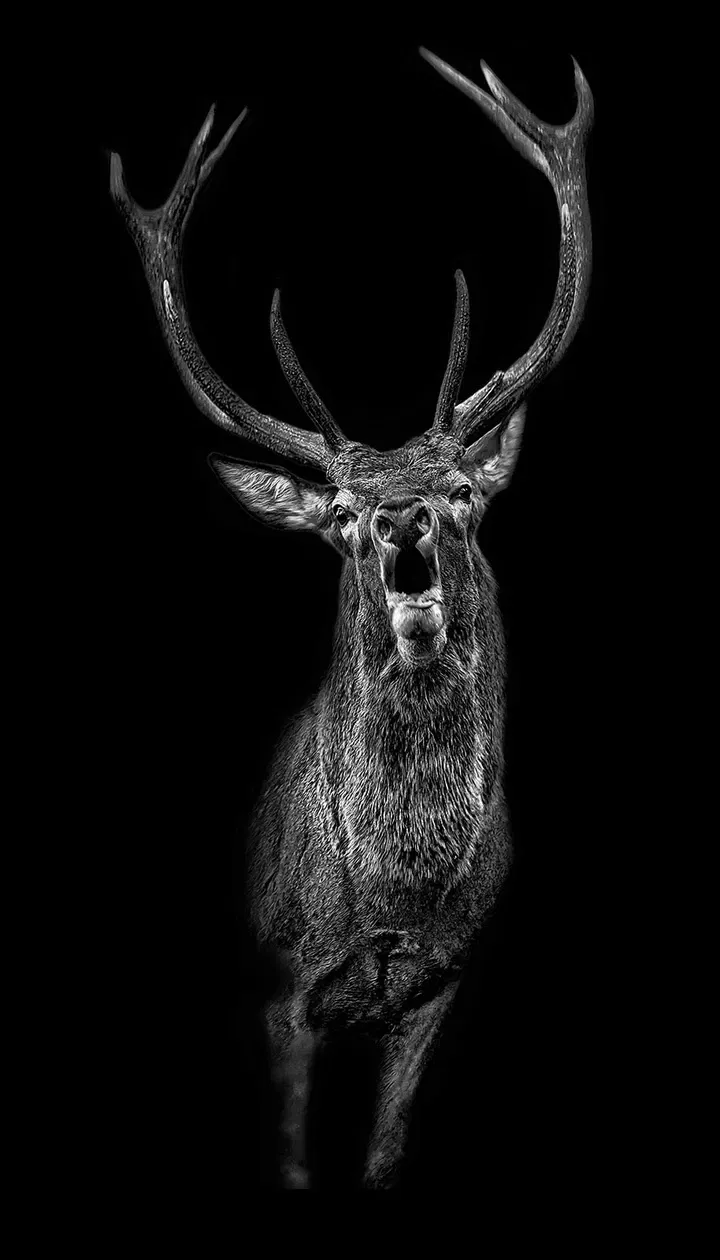
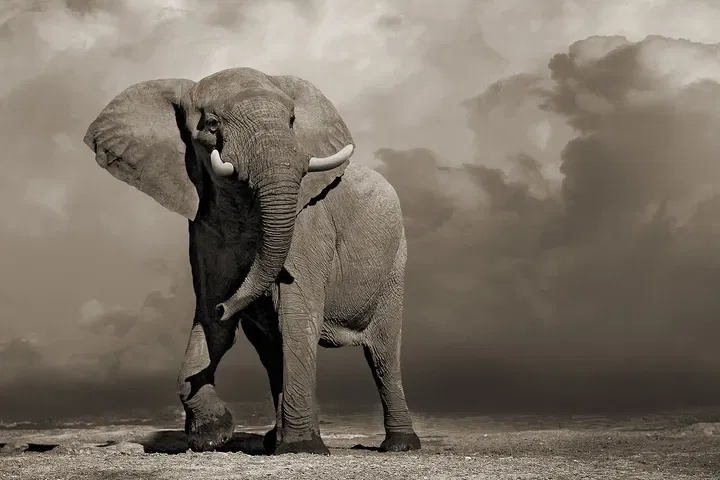
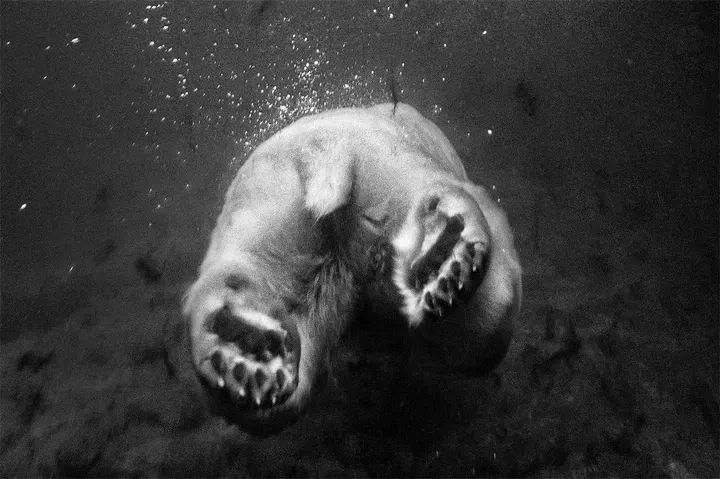
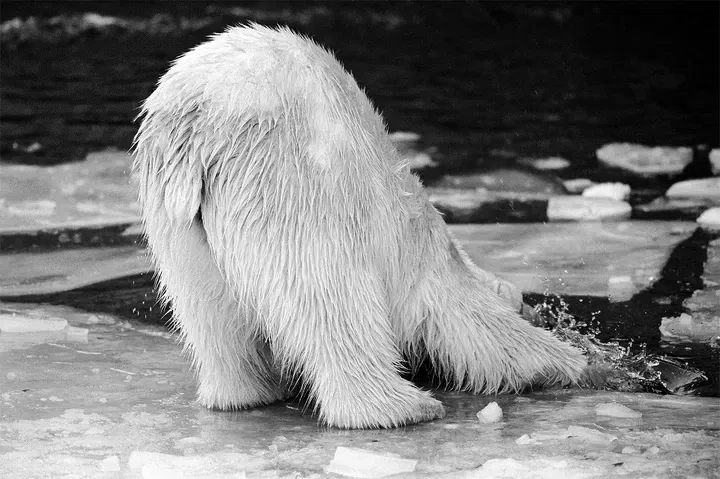
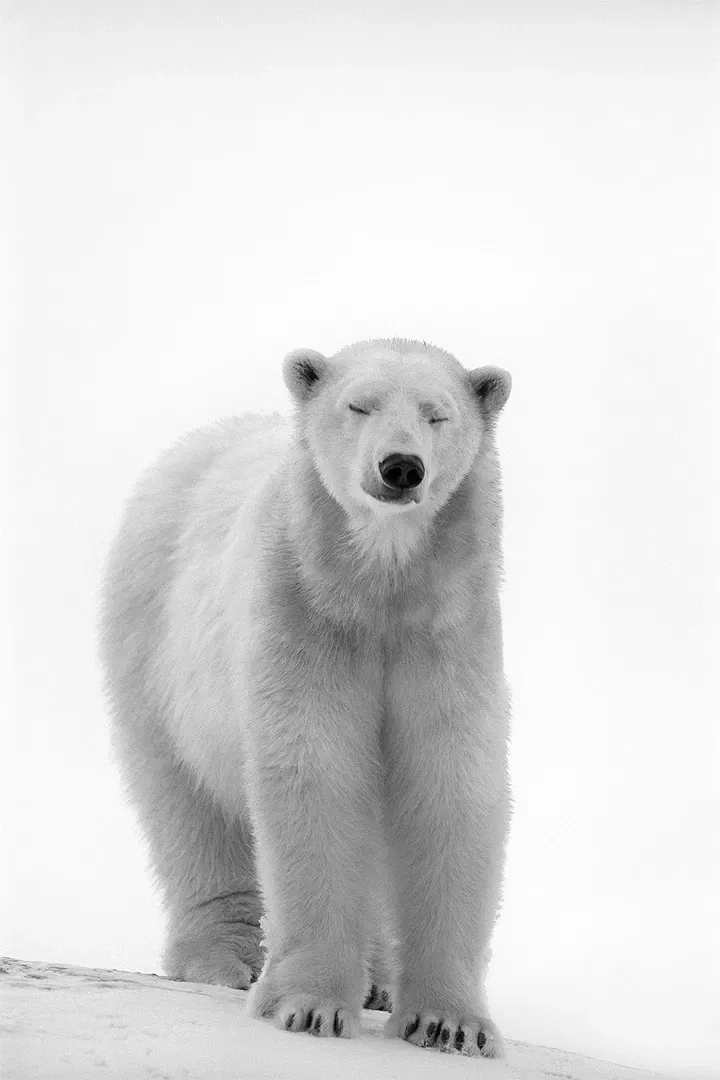
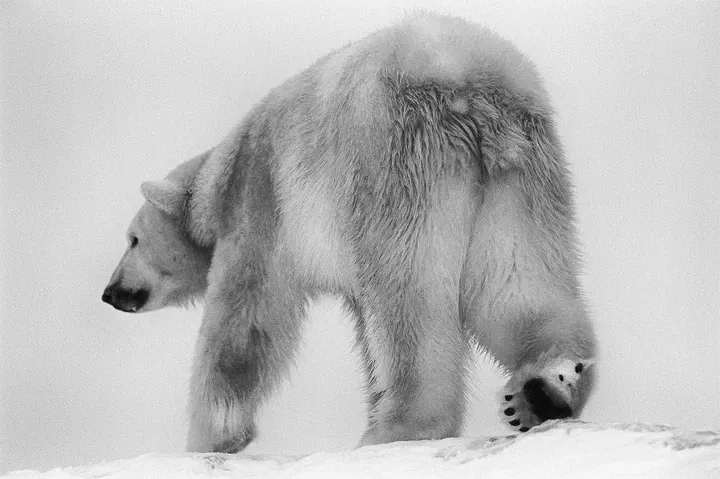
Heidi and Hans-Jürgen Koch approach their subjects with respect, taking portraits of the creatures in a sociological or even documentary context. The two photographers are not satisfied with… Read more
Bio Exhibitions Interview
| 2022 | ICMA International Creative Media Award |
| 2022 | FEP European Photo Book Award |
| 2020 | German Photobook Award 20|21 |
| 2018 | Horizonte Zingst Award |
| 2015 | German Photobook Award |
| 2015 | FEP European Photo Book of the Year Award |
| 2015 | PX3 Prix de la Photographie Paris |
| 2015 | Felix-Schöller-Award Shortlist |
| 2014 | Alfred Fried Photography Award |
| 2014 | One Eyeland Photography Award |
| 2014 | German Award for Science Photography |
| 2013 | Art Directors Club Germany |
| 2011 | Dr.-Erich-Salomon-Award |
| 2010 | German Award for Science Photography |
| 2009 | Art Director’s Club Germany |
| 2009 | World Press Photo Award |
| 2007 | German Award for Science Photography |
| 2005 | Fuji Euro Press Photo Award |
| 2004 | Hansel-Mieth-Award |
| 2001 | Freelens Layout Prize |
| 2000 | World Press Photo Award |
| 2000 | Lead Award |
| 1995 | BBC Wildlife Photographer of the Year |
| 1992 | Art Director’s Club Europe |
| 1990 | Art Director’s Club Germany |
| 2004 | Appointed into the German Society of Photography (DGPh) |
| 2022 – 2025 | Fiese Gewächse und solche mit krimineller Vergangenheit, Schloss vor Husum – Husum, Germany; Wilhelm-Fabry-Museum – Hilden, Germany; Haus der Berge – Berchtesgaden, Germany; Kulturhaus Mestlin – Germany; Max Hünten Haus – Zingst, Germany; Museum Eckernförde – Germany |
| 2024 – 2025 | Federn – Poetisches Meisterwerk der Evolution, Naturwissenschaftliches Museum – Flensburg, Germany; Postplatz – Zingst, Germany |
| 2020 – 2021 | Danke, Maus!, Naturwissenschaftliches Museum – Flensburg, Germany; Wilhelm-Fabry-Museum – Hilden, Germany; Museum im Schloss – Bad Pyrmont, Germany |
| 2009 – 2020 | Bienen – Die Bestäuber der Welt, Neanderthal Museum – Mettmann, Germany; Darwineum – Rostock, Germany; Natur-Museum – Luzern, Switzerland; Central Museum – Southend on Sea, England; Apimondia – Kiev, Ukraine; Northampton Museum – Northampton, England; Biosphäre – Potsdam, Germany |
| 2015 – 2018 | Das Lebenswerk / See You, Kunsthallenhotel – Zingst, Germany |
| 2015 – 2016 | Buffalo Ballad, Nationalpark – Berchtesgaden, Germany; Naturhistorisches Museum – Wien, Austria; Festival Photo – Montier, France; Foodphoto Festival – Vejle, Denmark; GAF Galerie – Hannover, Germany |
| 2007 – 2018 | Blaschka – Gläserne Geschöpfe des Meeres, Kunstgewerbemuseum – Dresden, Germany; Rheinisches Landesmuseum – Bonn, Germany; Übersee-Museum – Bremen, Germany; Musée d’Histoire Naturelle – Luxembourg; Darwineum – Rostock, Germany; Nationalpark – Berchtesgaden, Germany |
| 2013 – 2015 | Koch_Work, Deutsches Zeitungsmuseum – Wadgassen, Germany; Stadtmuseum – Schleswig, Germany |
| 2012 – 2011 | 4 Projects – 50 Images, Fotomessen – Stockholm, Sweden; Oslo, Norway; Copenhagen, Denmark |
| 2012 | Comme nous, Festival Photo – La Gacilly, France |
| 2005 | Primate Couture, FREELENS Gallery – Hamburg, Germany; Zoo Scheune – Krefeld, Germany; Deutsches Textilmuseum – Krefeld, Germany |
| 1998 | Fischmarkt, Fischereihallen – Cuxhaven, Germany |
| 1996 | Der Hahn, die Henne, das Ei, Theater – Itzehoe, Germany; Townhall – Neustadt, Germany |
| 2025 | Werbebilder – Bilder, die verführen, Kunstraum Gewerbepark Süd – Hilden, Germany |
| 2025 | Freelens – Die Gründerinnen*, Freelens Galerie – Hamburg, Germany |
| 2024 | 10 Jahre GAF – 100 Bilder, GAF Galerie – Hannover, Germany |
| 2023 | Faszination Schmetterling, Naturwissenschaftliches Museum – Flensburg, Germany |
| 2020 – 2023 | Images from Science, Northern Illinois University – USA; RIT City Art Space – Rochester, USA; Johns Hopkins University – Baltimore, USA; Haus der Wissenschaft – Braunschweig, Germany; SPAS Gallery, Rochester Institute of Technology – USA; über 35 internationale Stationen |
| 2014 – 2020 | Weltbilder – Terra Mater, Hangar 7 – Salzburg, Austria; Senckenberg Museum – Frankfurt, Germany |
| 2017 – 2018 | Leben 24/7 – 100 Jahre NIKON, NRW Forum – Düsseldorf, Germany; Zürich, Switzerland |
| 2014 – 2018 | Grandiose Naturdokumente, Photo Festival Horizonte – Zingst, Germany |
| 2017 | Best of Highlights, Photo Festival Horizonte – Zingst, Germany |
| 2016 | Wunder der Natur, Gasometer – Oberhausen, Germany |
| 2015 – 2010 – 2007 | Wissenschaftsfotografie, Haus der Wissenschaft – Bremen, Germany; weitere Wissenschaftszentren in Deutschland |
| 2013 – 2014 | Wild & Precious, Natural History Museum – London, UK; CITES Congress – Bangkok, Thailand |
| 2013 | Visual Leader 2013, Deichtorhallen – Hamburg, Germany |
| 2011 | Bodenschätze, Centre Pro Natura de Champ-Pittet – Switzerland |
| 2011 | Glasklar, Gewerbemuseum – Winterthur, Switzerland |
| 2007 – 2010 | Senses, Naturalis – Leiden, Netherlands; Experimentarium – Hellerup, Denmark; Belgium |
| 2000 – 2009 | World Press Photo Exhibition, Amsterdam, Netherlands; internationale Wanderausstellung (weltweit) |
| 2009 | Mare – My Favorites, Galleria 10b Photography – Rome, Italy |
| 2006 – 2007 | Evolution, Deutsches Hygiene-Museum – Dresden, Germany; Città della Scienza – Naples, Italy |
| 2007 | Green Art Festival, Seoul, Korea |
| 2007 | Alive, Paris, France; Le Tourp, France; Zürich, Basel, Bern, Geneva, Lausanne – Switzerland |