Introduction
Hubble Telescope
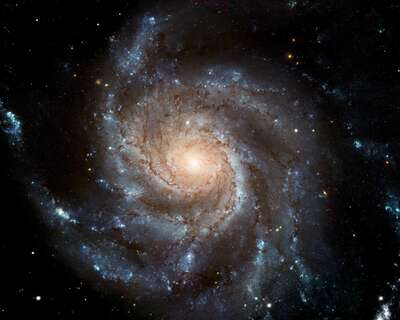
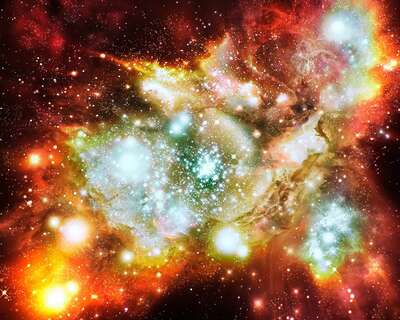
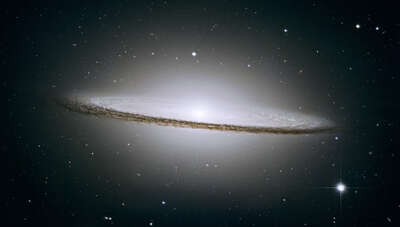
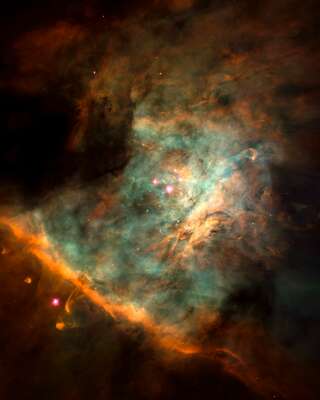
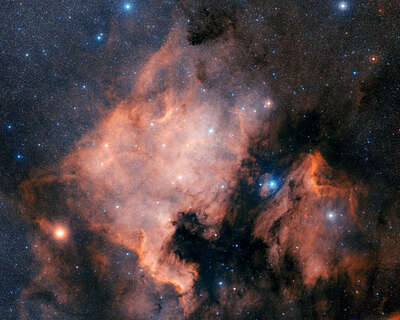
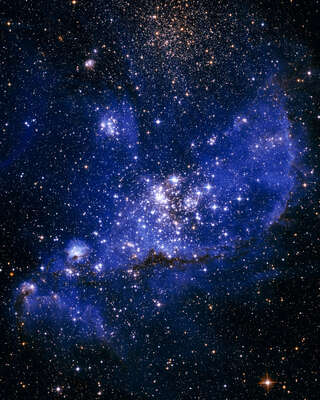
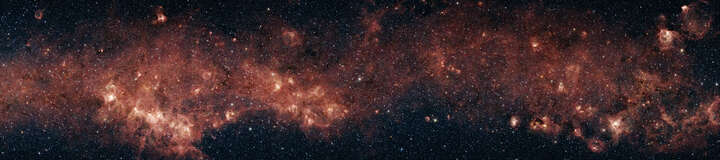
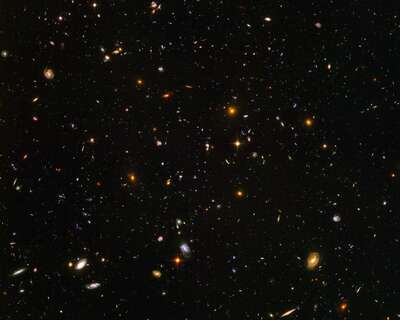
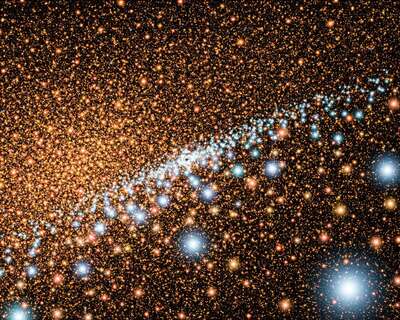
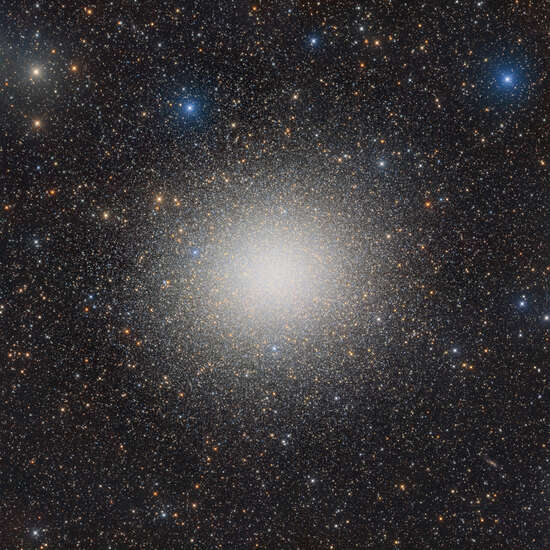
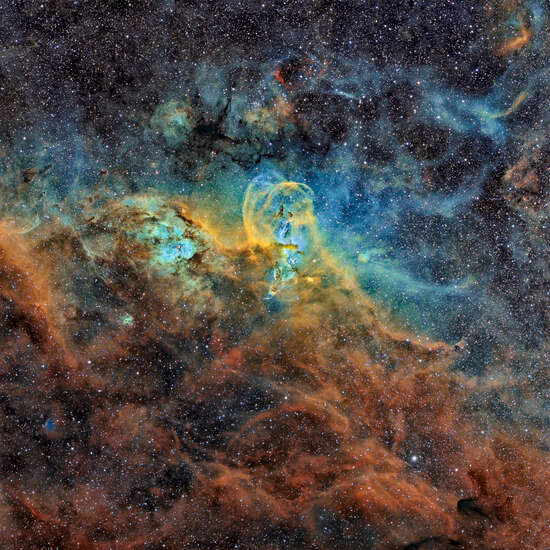
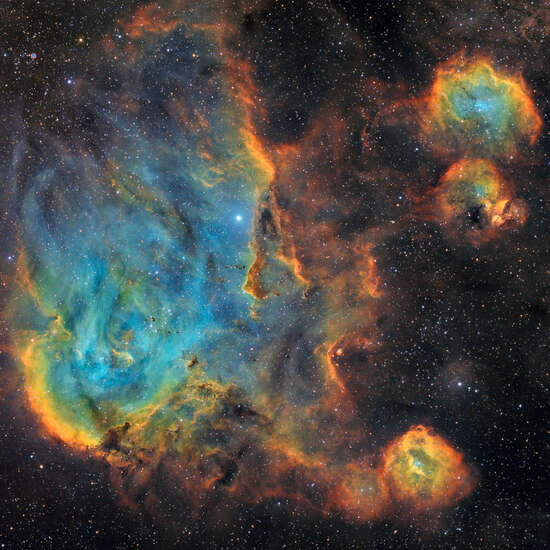
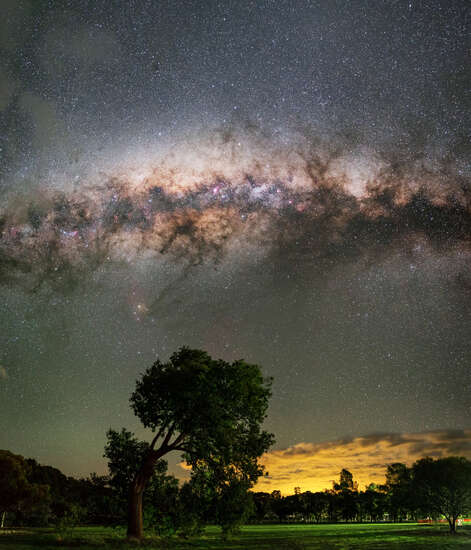
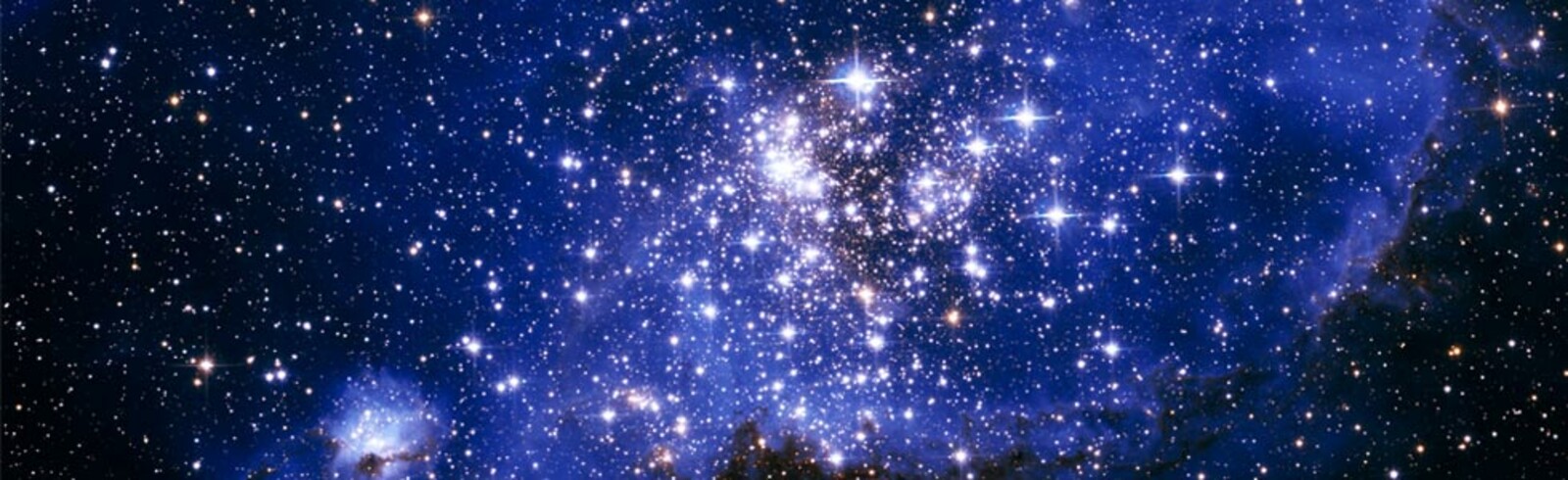
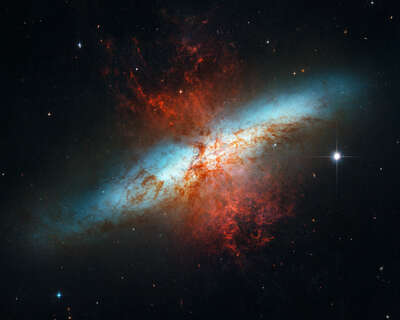
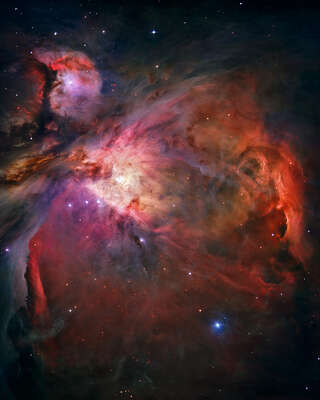
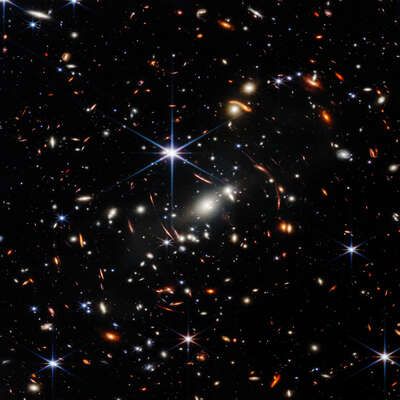
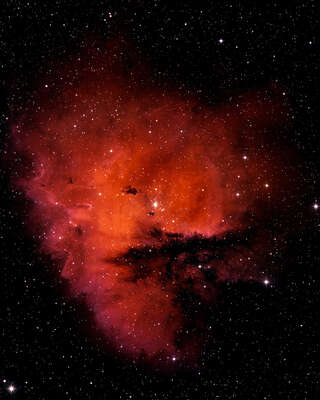
Viewing these panoramas of outer space is like taking a spectacular trip. The abstract and beguiling beauty of gentle fog, colorful swirls, and glistening light is an invitation to stroll through the Milky Way and discover unanticipated solar systems. The large formats of these photographs enable complete immersion into the universal world of the stars. The Hubble space telescope is one of the finest instruments humanity has ever sent into space. It has occupied the editorial columns and feature pages of the world press ever since a space shuttle's robot arm placed the fragile telescope in orbit in 1990. For one and a half decades, Hubble has helped revolutionize our understanding of the universe; its gaze goes further in time and space than ever before. Renowned scientists place the Hubble on the same niveau as Galileo Galilei's original telescope. Dangerous maintenance maneuvers are executed again and again to keep the Hubble functioning. One could almost believe that all this is not only rationally motivated, but rather that these prominent images which the Hubble (unlike any other instrument let alone the human eye) makes are concrete pictures of the invisible. What photography is incapable of delivering is a picture of space and time, but these atomized impressions of color, the stars captured in these photographs are, however, pictures of time. The light emitted from these stars traveled from another time if not another century, until it was captured by these images. The Hubble space telescope creates photographs that no human being, let alone the most creative artist could ever generate for us to enjoy. Do natural science and astronomy represent the new field of true and unlimited creativity, affording insight that has been impossible until now?


 No thanks, I would like to stay on this site.
 Yes, I would like to switch.