• Around the world
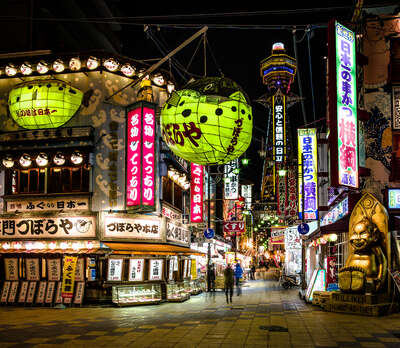
  • Asien 2009
  • Australien 2010
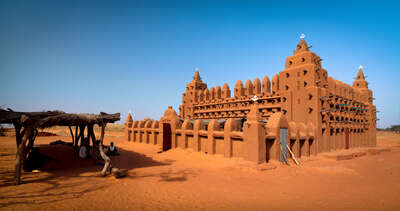
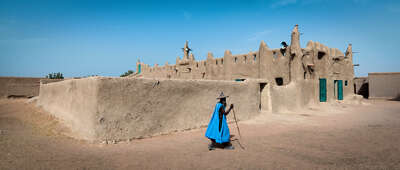
  • Mali 2011
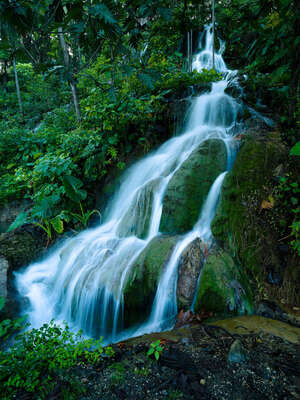
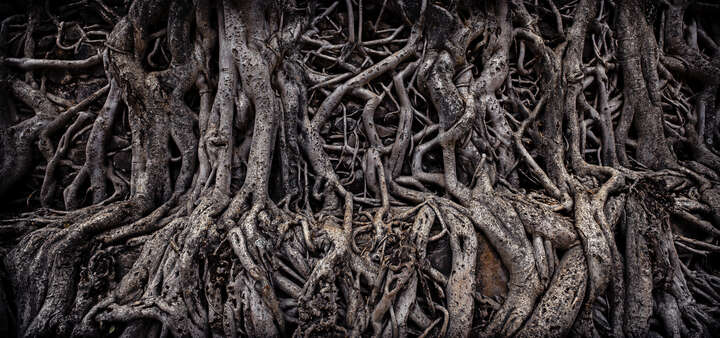
  • Wailakurini, Timor-Leste
    Wailakurini, Timor-Leste
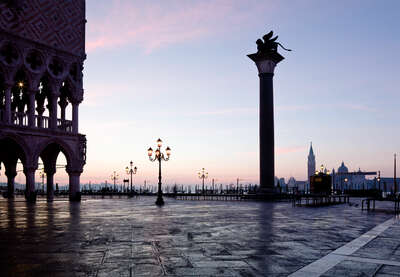
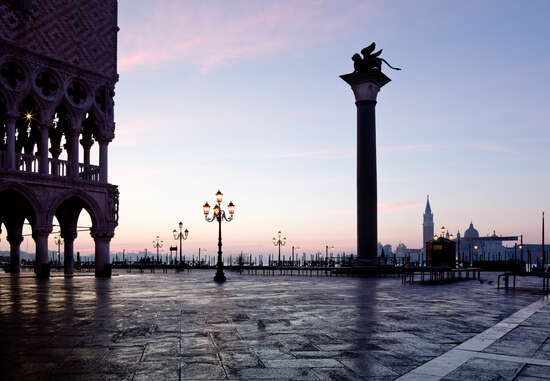
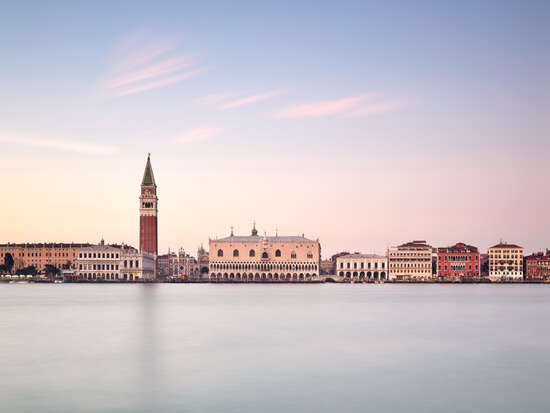
  • Piazza di San Marco, Venezia
    Piazza di San Marco, Venezia
  • Introduction
  • CV

Photography has been Farin Urlaub’s medium of choice for exploring the myths and traditions of foreign countries since 1991. In his highly regarded photography book on India and Bhutan, he masterfully reflects on a widely varied and enigmatic culture in images and his detailed journal entries and anecdotes.

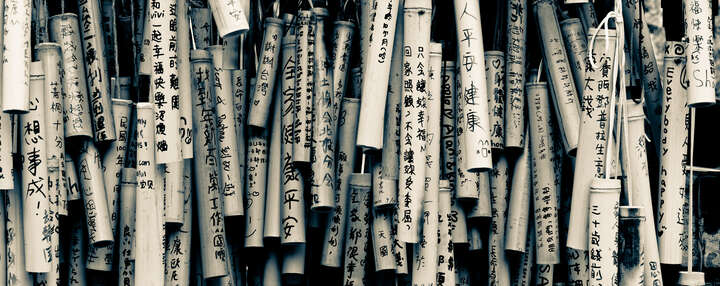
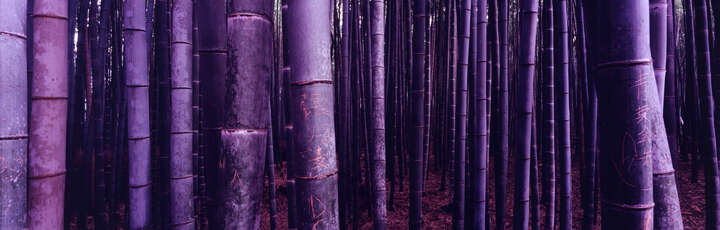
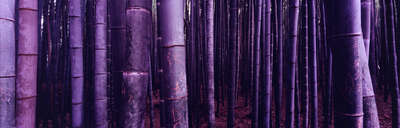
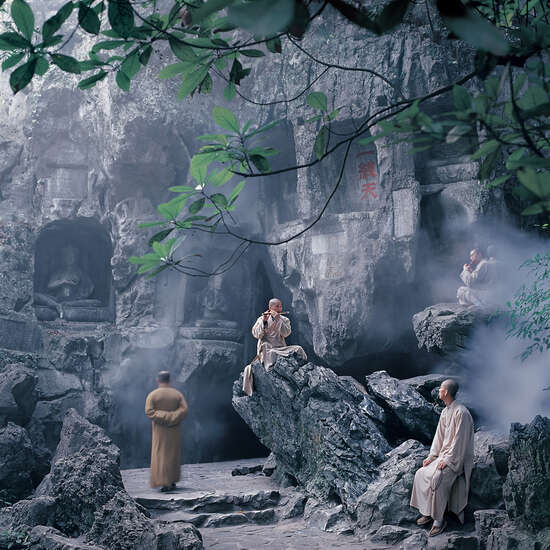
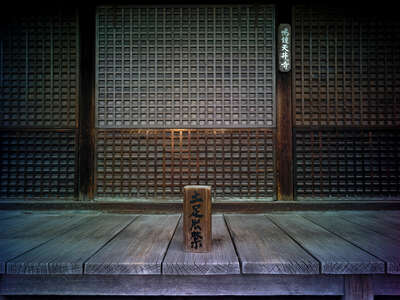
His style is diverse, and the images of Japan’s holy Buddhist temple gardens in Kyoto with their religious retreats of venerated bamboo forests reveal the tranquility of a landscape beyond the comparatively futuristic cities. In his close-ups he transforms the tender green bamboo sprouts around the Enkou-ji Temple into a fragile thicket of stems that seem to follow their own rigid rhythm. The colors of the different seasons are exhausted with virtuosity. Violet tones of diffused autumn light in the bamboo forest of Arashiyama fall on characters carved into the bark, setting its own graphic accents.

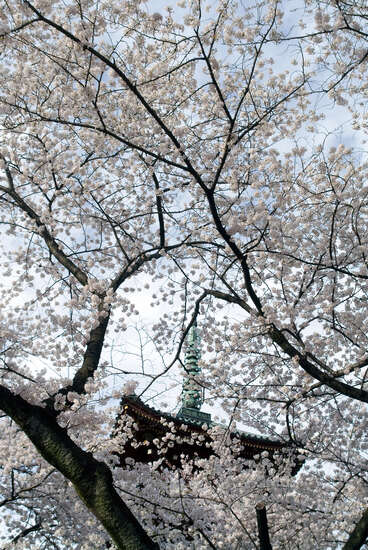
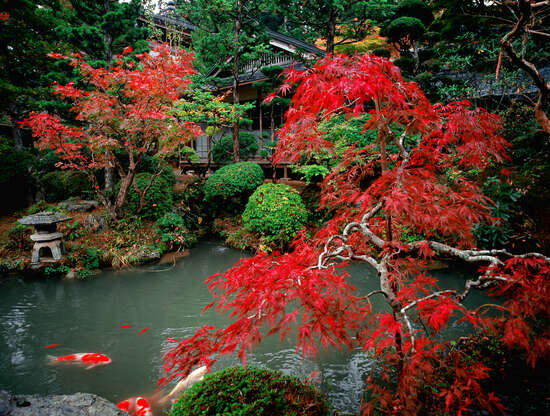
The aesthetic of Urlaub’s prints corresponds with the ideal of Asian painting. His compositions have a symbolic lightness. Pagoda rooftops seem to hover, framed by a sea of red leaves that also reflects on the lake’s surface. Urlaub, the lead singer of the German punk-rock band Die Ärtze, ingeniously interprets the interplay of water, rocks, trees, and temples, which are perhaps Japanese watercolors’ oldest motifs.

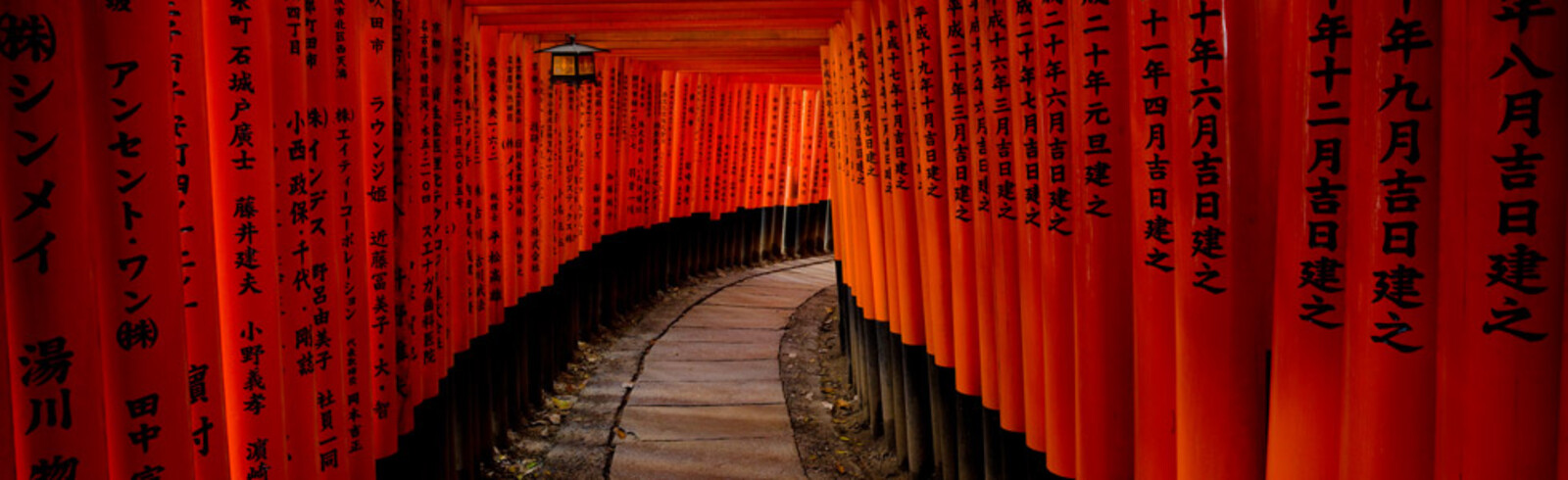
Urlaub, however, also employs graphically reduced motifs in his work, such as the tunnel-like entrance corridor at Daigo Ji Temple, characterized by its magical character and lined with columns of red flags. Ultimately the enigmatic black characters on the fabric structure the scene into a poetic interplay of space and surface, vistas and overviews. The tension between the motifs even stimulates a European-Asian change of perspective to traditional Asian rituals like the bewitching traditionally dressed geisha students. The base of her neck stands out prominently against the brilliant white make-up on her skin. This rear-view portrait is one of respect.

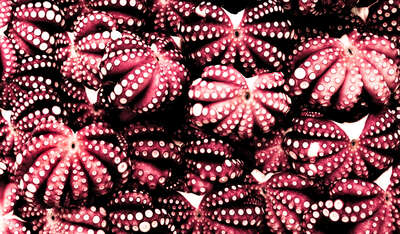
Even everyday life in a metropolis like Tokyo with the world’s largest fish market is a veritable repository of aesthetic moments and symbolic ornaments for Farin Urlaub’s lens, such as the layers of squid in varying proportions and sizes. Their white suction cups shimmer in polka dot patterns over the violet wreaths of bones.

The photographic series unfurls the entire palette of Japanese culture, rituals, and traditional ideals in a wide spectrum of fascinating motifs. These selected editions demonstrate Urlaub’s keenly concentrated but reserved gaze. The wide-ranging diversity of his works and his idiosyncratic aesthetic will soon be documented more extensively in his forthcoming book.

Christina Wendenburg

  • LUMAS Featuring

    You may also like these artists

  •   CHRISTOPHER PILLITZ 
    CHRISTOPHER PILLITZ
  •   OLIVIER FÖLLMI 
    OLIVIER FÖLLMI
  •   SAMUEL ZUDER 
    SAMUEL ZUDER
  •   DAVID STEETS 
    DAVID STEETS
  •   AXEL M. MOSLER 
    AXEL M. MOSLER
Recent images:0
Bookmarks:0
Cart:0
Added to cart
Removed from cart
Newsletter